Originally published on the GRID blog.
Bringing spreadsheets into the AI conversation
LLMs are eating the world
To paraphrase Mark Andreessen, Generative AI — or rather LLMs — are “eating the world” these days. The level of investment by start-ups and established tech companies alike is unprecedented, and for good reason. The newfound capabilities of computers to respond to and generate natural language seem poised to cause a revolution of at least the scale of the advent of the smartphone, possibly the Web and even the personal computer itself. It will change the way humans and computers interact forever across all aspects of our lives, from the personal to the professional.
The world runs on spreadsheets
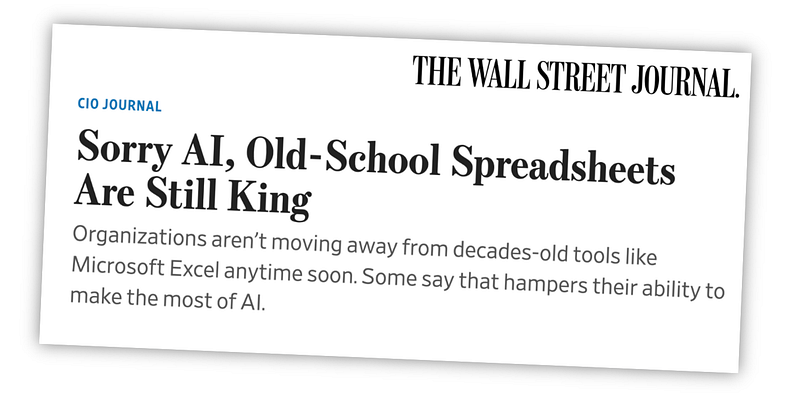
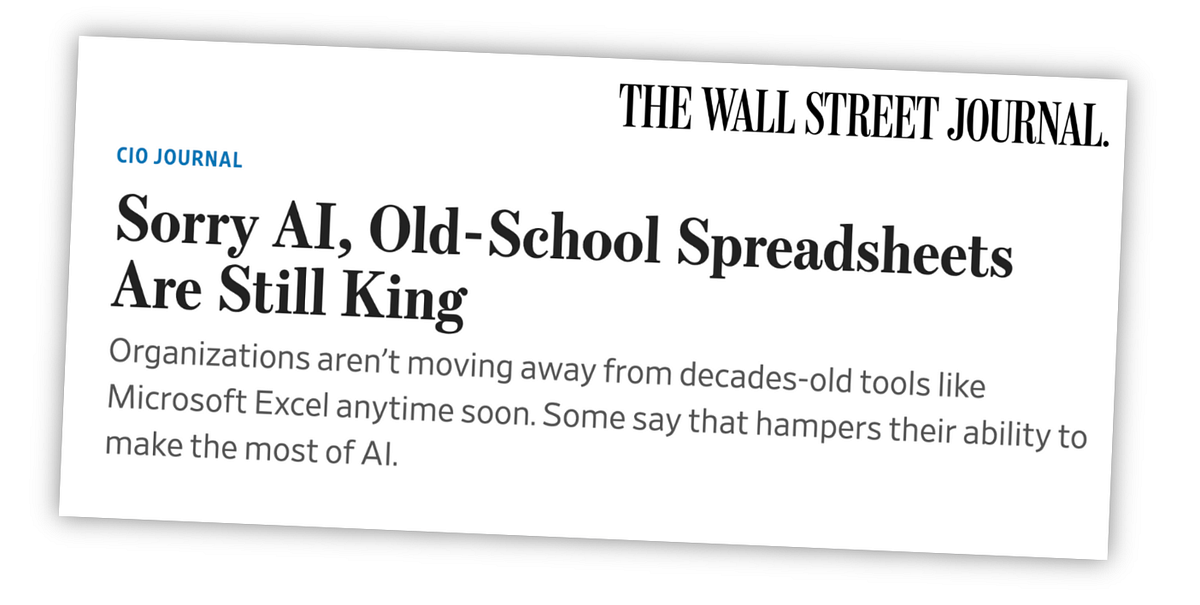
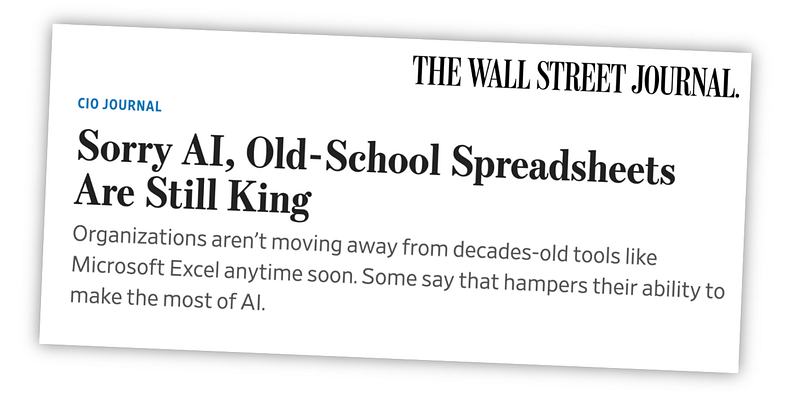
That said, the world of business very much runs on spreadsheets. Not only are they arguably the most important corporate productivity tools with their 1.2 billion users world-wide, but even more importantly, at a given company spreadsheets probably hold more business logic and business “thinking” than any of their formal IT systems. This poses a problem for AI adoption because while LLMs keep adding modalities like images, audio and video — spreadsheets are fundamentally different. They are based on calculations, where accuracy, verification and reproducibility are paramount. Such reliability is not quite the hallmark of LLMs. This is already causing CIOs to pause as portrayed for example in this article in the Wall Street Journal.
Our unique engine brings LLMs and spreadsheets together
To bring the worlds of LLMs and spreadsheets together requires a sophisticated spreadsheet engine that carries the calculations while the language models do what they do best … language. It so happens that such an engine is exactly what GRID has been building these past few years — the most advanced independent spreadsheet engine in the world.
By combining our engine with any of the leading LLMs, generative AI can add a whole range of tricks to its act: reliable and mathematically correct answers, grounded in existing spreadsheet models, and — importantly — the ability to show how the questions were interpreted and the results calculated.
Ready to explore?
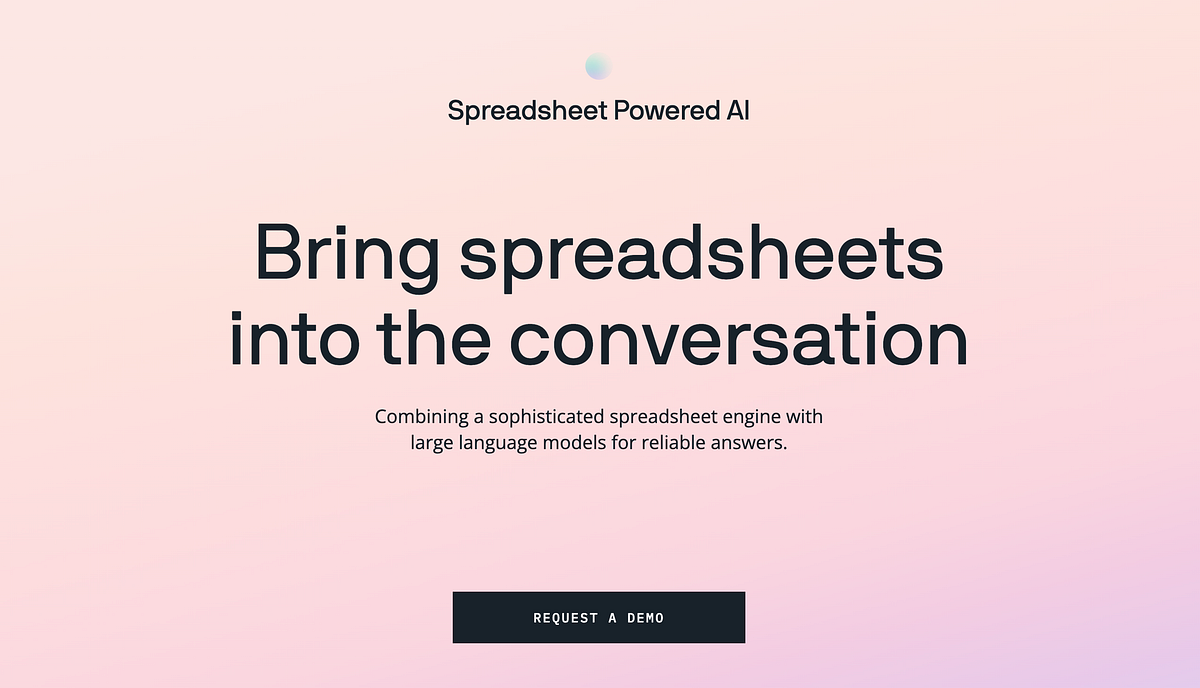
This combination of our spreadsheet engine and LLMs opens up unlocks many exciting opportunities. We are currently in an exploration phase to understand how to best apply these capabilities, so whether you can see yourself as an end-user, a customer or a partner please go to SpreadsheetPowered.ai and apply for a demo. You will subsequently be among the first to get hands-on access to try it out.
To be continued…
Over the course of the next few weeks we’ll be posting a series of use-cases, demo videos and details about the technical implementation and direction we’re taking this.
Make sure you sign up for our posts here on Medium and follow the dedicated spreadsheet powered AI Twitter account to stay in the loop.