Writing
-
Same cloud, same terms. AI just talks back.
Many people hesitate to put a sensitive document into an AI tool, while the very same document already sits in their cloud storage. On a work account, the exposure is the same.

-
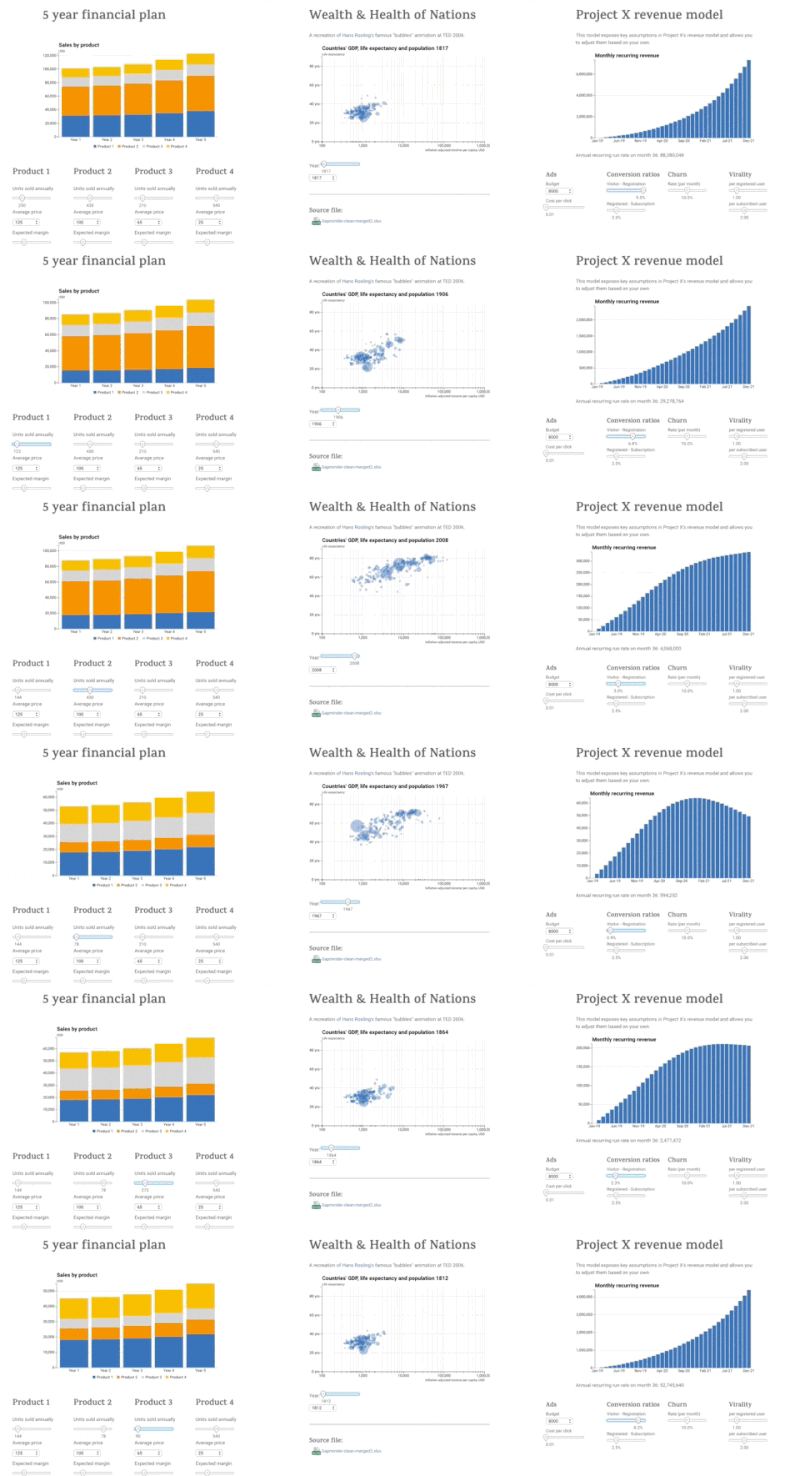
Sunsetting Calculator Studio
Sunsetting a product is a strange milestone to celebrate. Yet here we are: fondly saying goodbye to Calculator Studio.
-
Two of the most common pieces of startup advice are "fail fast" and "never give up"
Fail fast is about killing bets. Never give up is about the problem. Overnight success is what you get when you hold both.

-
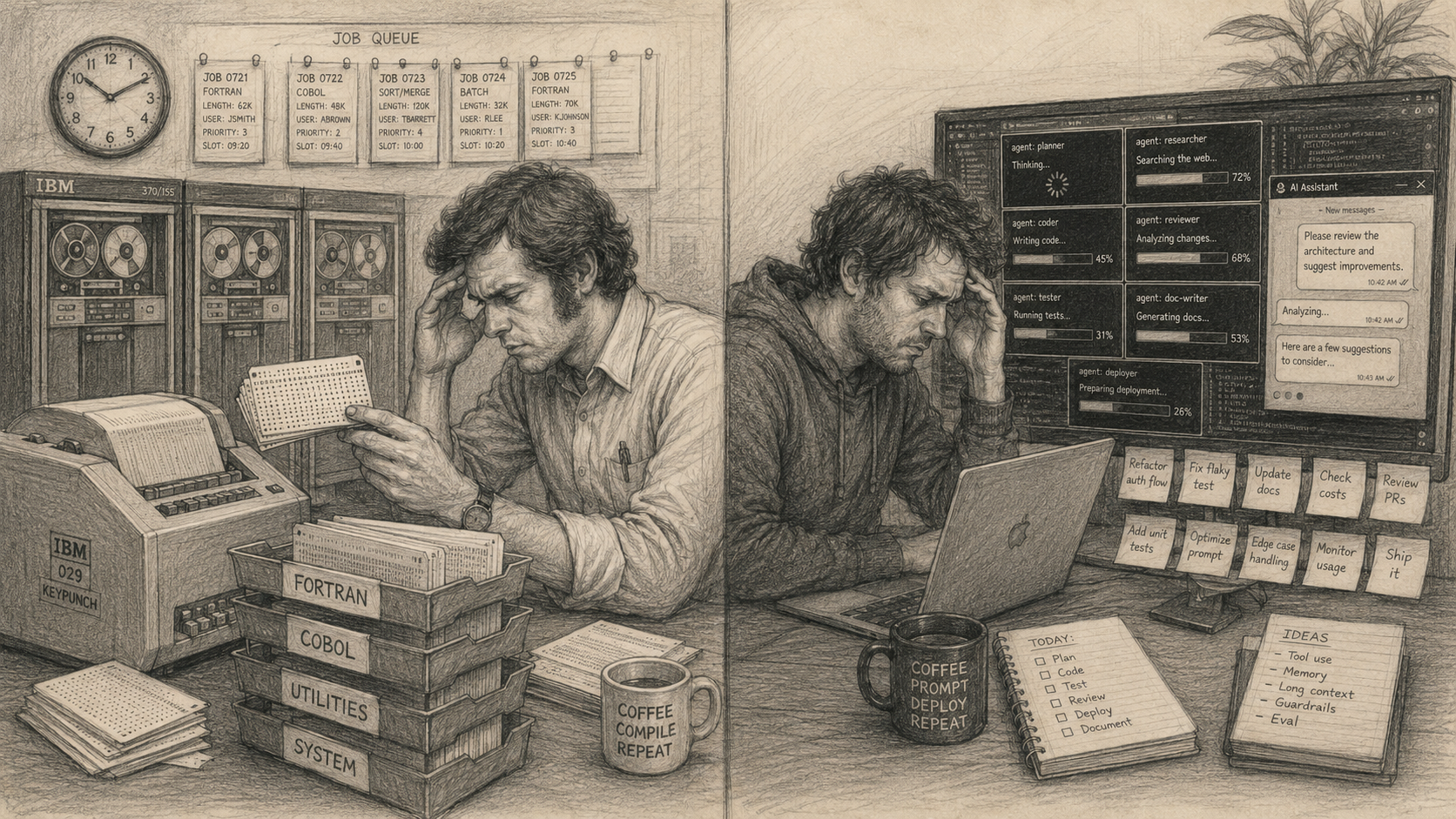
Developers' multi-tasking fatigue isn't a new thing
The fatigue developers feel with AI agents - line up a task, jump to another while it churns - is just the punch-card batch era, back for now.
-
The Return of the File - and the Editor Sidekick
On building an everything editor, and why the humble folder is back at the center of how we work.

-
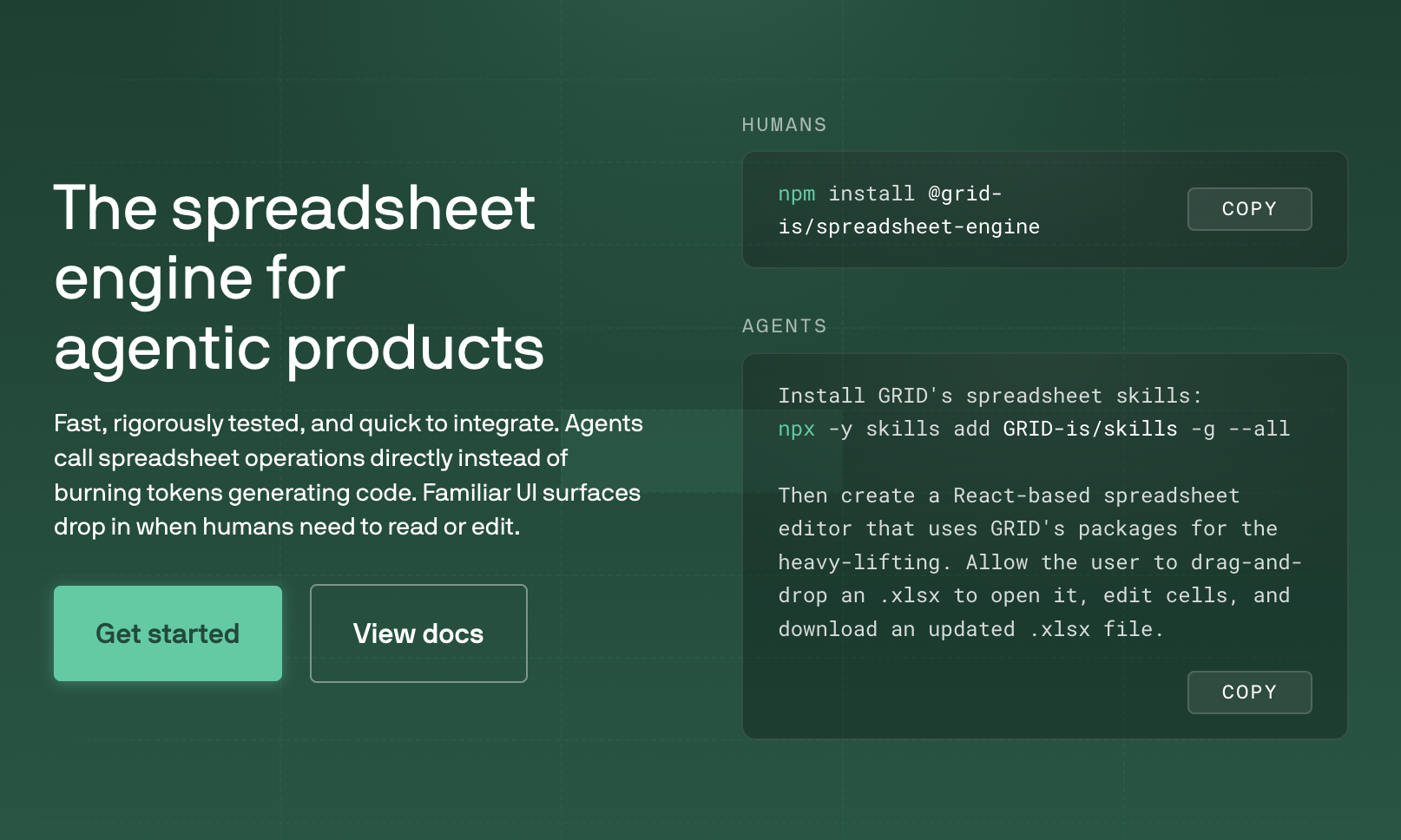
Spreadsheet superpowers, for humans and agents.
GRID's spreadsheet engine is now free for evaluation and non-commercial use - for humans and AI agents alike.
-
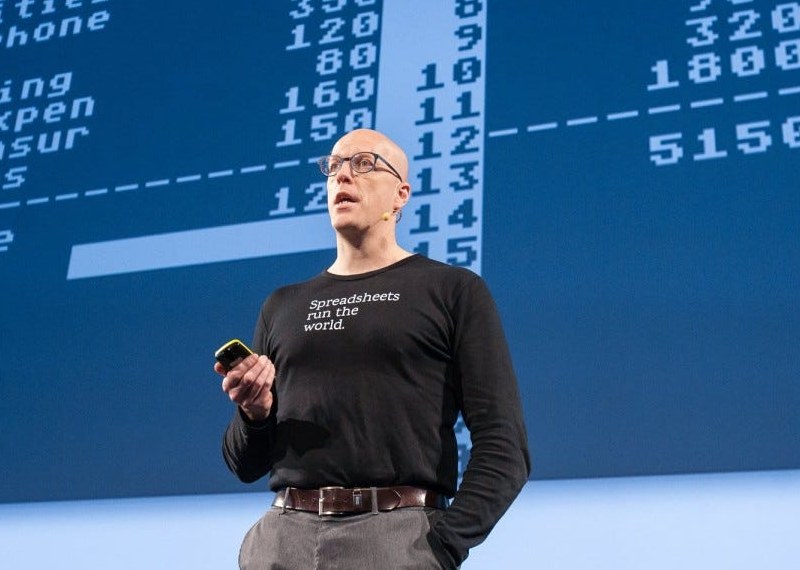
Spreadsheets ran the world. Then AI showed up.
The handmade spreadsheet is going extinct, and calculations are moving to formats where few can check the math.
-
Is AI making us dumber?
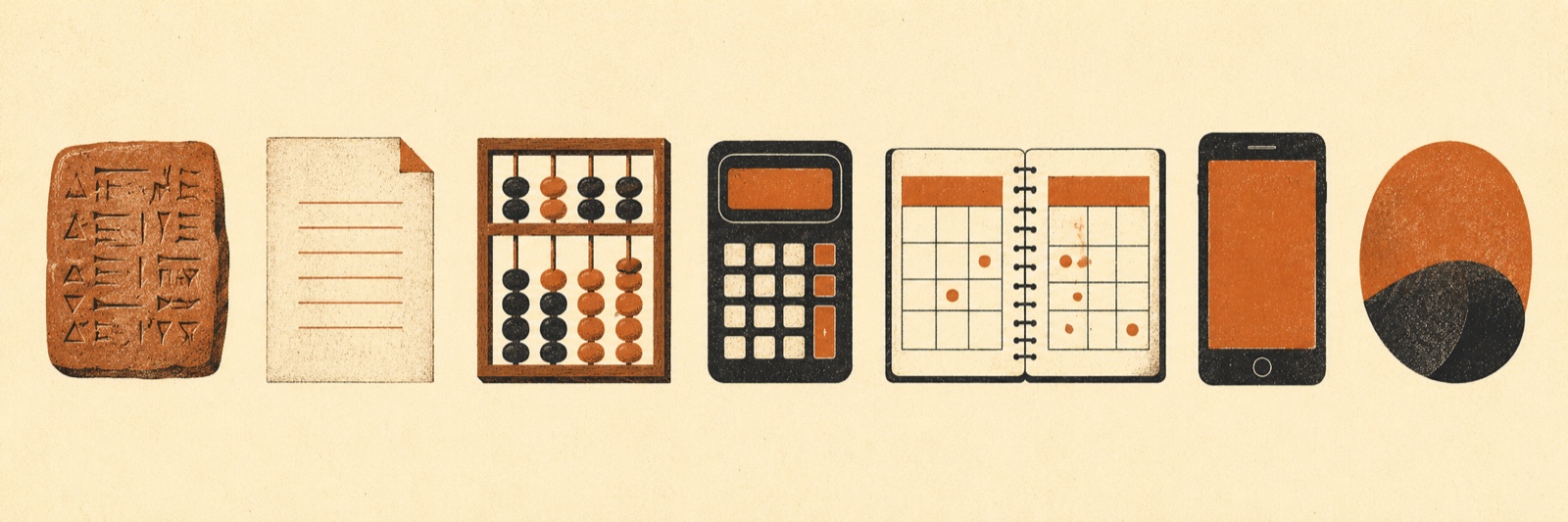
Offloading mental tasks to external aids is what made the modern world possible. AI is the latest in that line - with one important difference.
-
The "Cash-Flow Positive" bottle
Last year, GRID was at existential risk. This morning we opened the "Cash-Flow Positive" bottle of sparkling ... with seven months of the year still to go.

-
A Second Brain for an Audience of One
I've been building my own personal knowledge base for 2.5 years. It feeds on every digital trace of my life, I reach for it dozens of times a day, and it's only useful to me. That's the whole point.
-
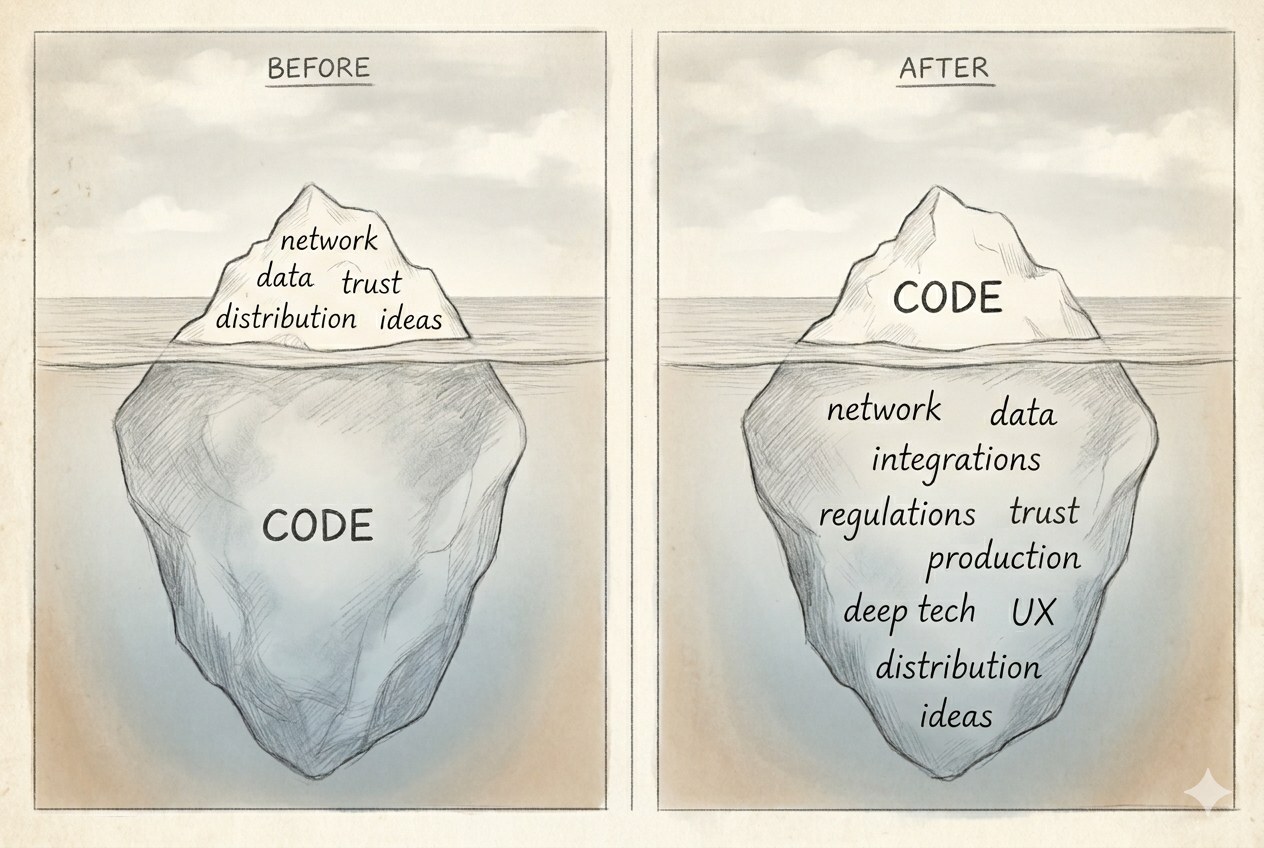
When Code Is Free: 9 Things That Still Matter
Network effects, data, distribution, trust, ideas. When anyone can ship anything, everything that isn't code matters more.
-
Building for an Audience of One
Software got easier to build. The mindset is harder to change.

-
Claude Shannon's Maze-Solving Mouse
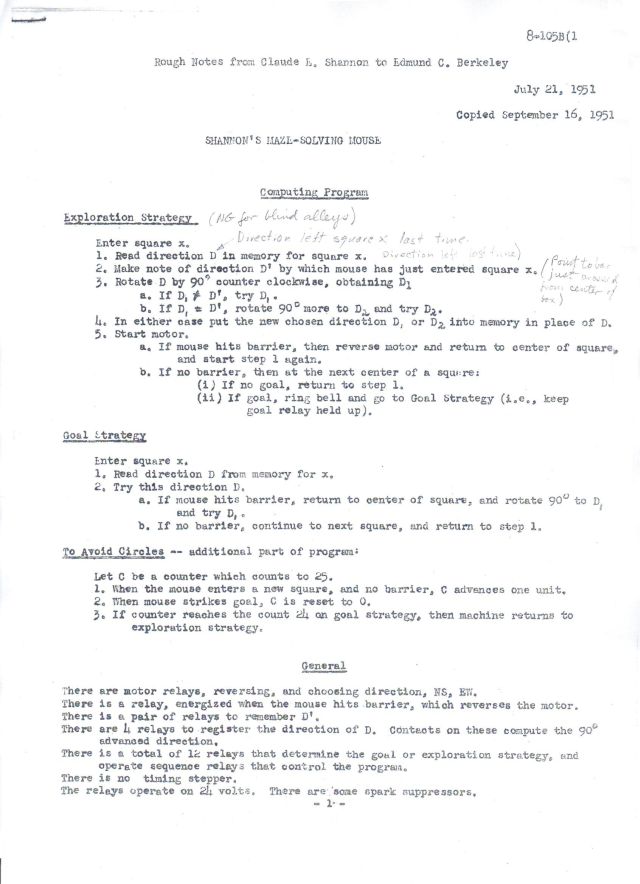
In 1952, Claude Shannon built a mechanical mouse that could solve a maze. The clever twist: the intelligence wasn't in the mouse — it was in the floor.
-
The Spark
What skills should students focus on as AI reshapes the job market? The answer is simpler than you might think.

-
We're all product managers now!
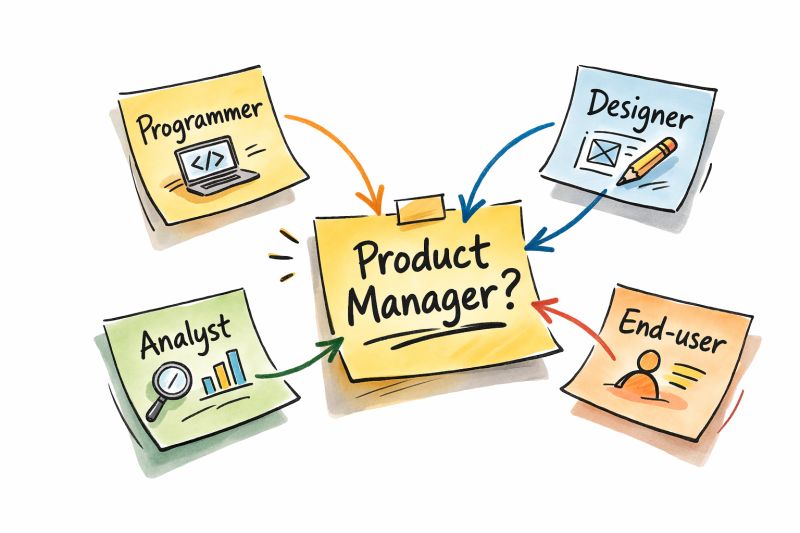
With the rise of AI coding, every programmer, analyst, designer and end-user has become a product manager. The question is: how do we become good ones?
-
Only for Sissies
The reception of Fortran in the 1950s sounds uncannily familiar. A passage from Richard Hamming's 'The Art of Doing Science and Engineering'.
-
AI is eating SaaS
We just cancelled $32,000/year in SaaS subscriptions and replaced them with tools we built ourselves in about two days each.

-
AI Fundamentally Changes the Startup Funding Game
What took $1M+ to build three years ago now takes two people a few weeks. The constraint has shifted from building to distribution.
-
Hybrid AI and UI Is the UX of the Future
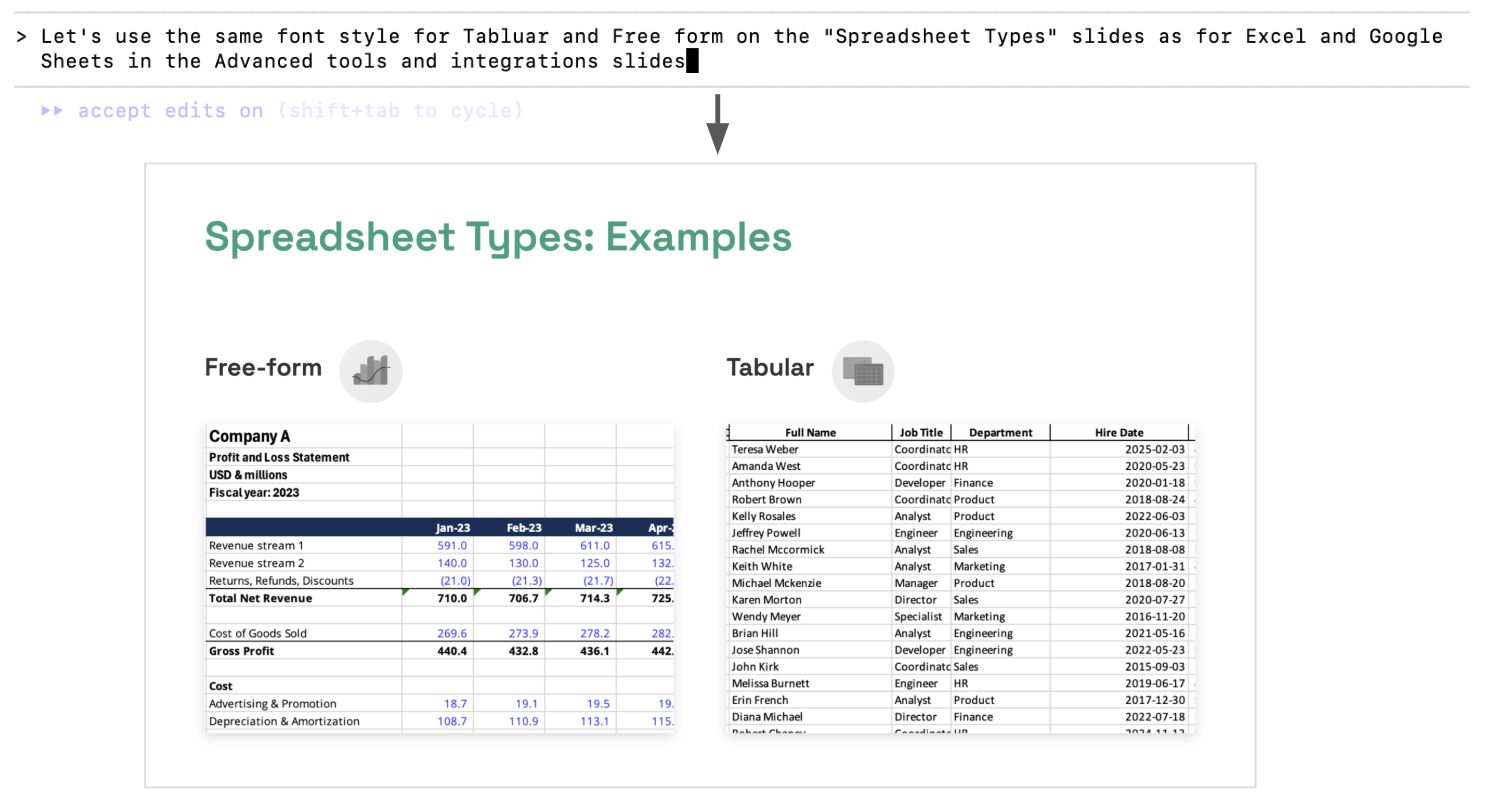
Building a slide deck with Claude Code convinced me: the hybrid AI and UI mode of working is the UX of the future — and we're currently over-rotating on chat interfaces.
-
The Future Isn't About Letting AI Use Software
Today's AI agents simulate a human at a screen — mouse clicks, pixel-reading, typing into UI fields. That's a crude stop-gap. The future is software built for AI, not AI pretending to be human.
-
Could Creativity Just Be Hallucination With a Purpose?
Reasoning models hallucinate more, not less. Which raises a strange question: is creativity just bullshitting with intent?

-
Vertical Enterprise AI: Standalone, Add-ons, or Marketplace?
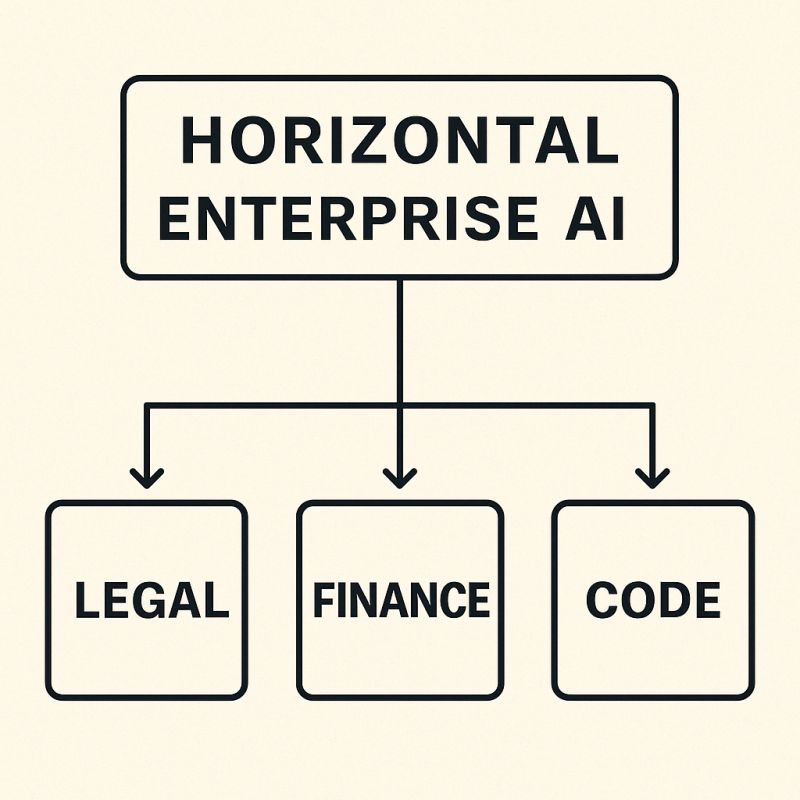
Vertical AI for legal, finance, and dev tools is clearly going to be huge. But nobody knows yet how it will integrate with horizontal platforms — or if it will at all.
-
ChatGPT Has All but Won the Consumer AI Race. Enterprise Is a Different Story.
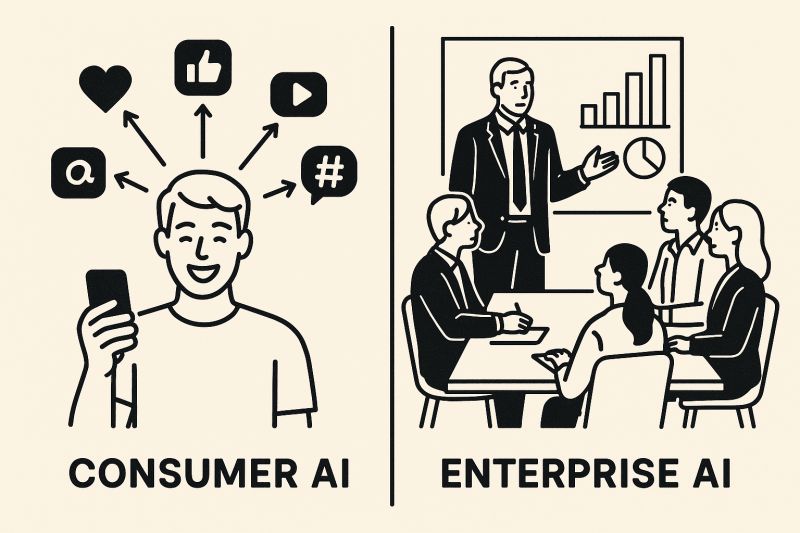
Enterprise AI isn't winner-takes-all. It will be won company by company, probably with a dash of vertical AI on the side.
-
The future is headless
The real power of AI lies in making LLMs better at using external tools, APIs and headless software.

-
Your spreadsheets, supercharged: Deploy as APIs & integrate with AI
Spreadsheets are programs. You can easily make them part of your software stack for AI and automation.

-
App Stores for ChatGPT and Claude
Imagine browsing and installing capabilities for your AI assistant, the way you install apps on your phone. It's inevitable.

-
Bringing Spreadsheets Into the AI-First Era
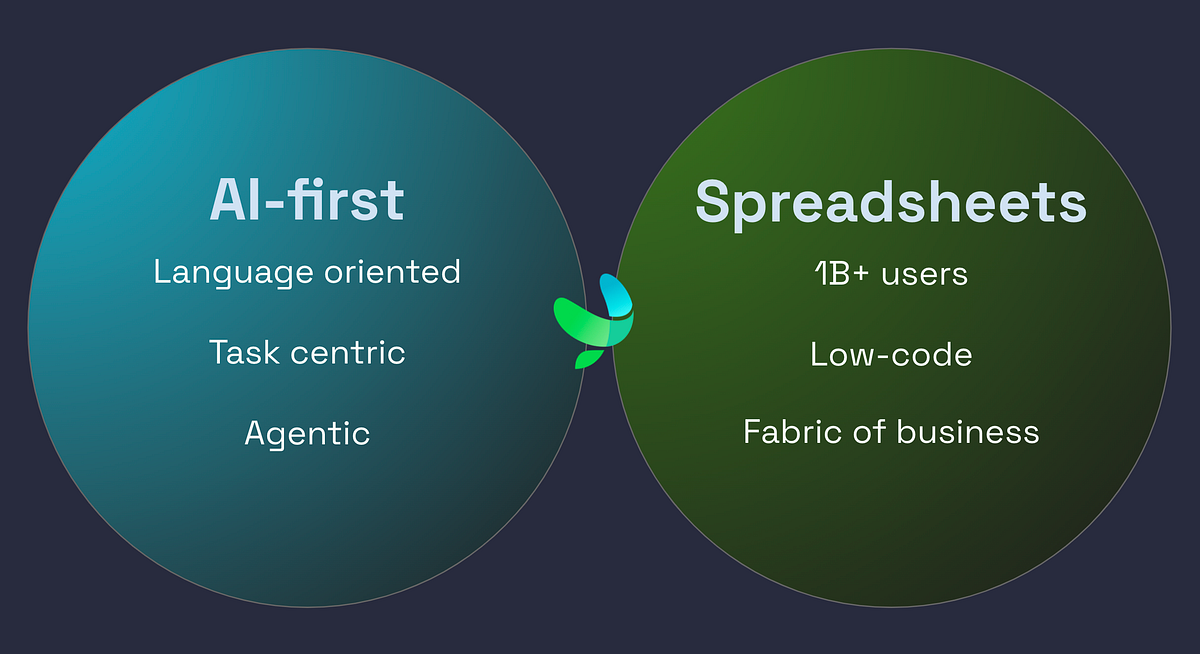
The fusion of AI and spreadsheets requires a fundamental rethinking: not bringing AI to spreadsheets, but reimagining spreadsheets for the AI-first era.
-
LLMs as the Interface to Everything
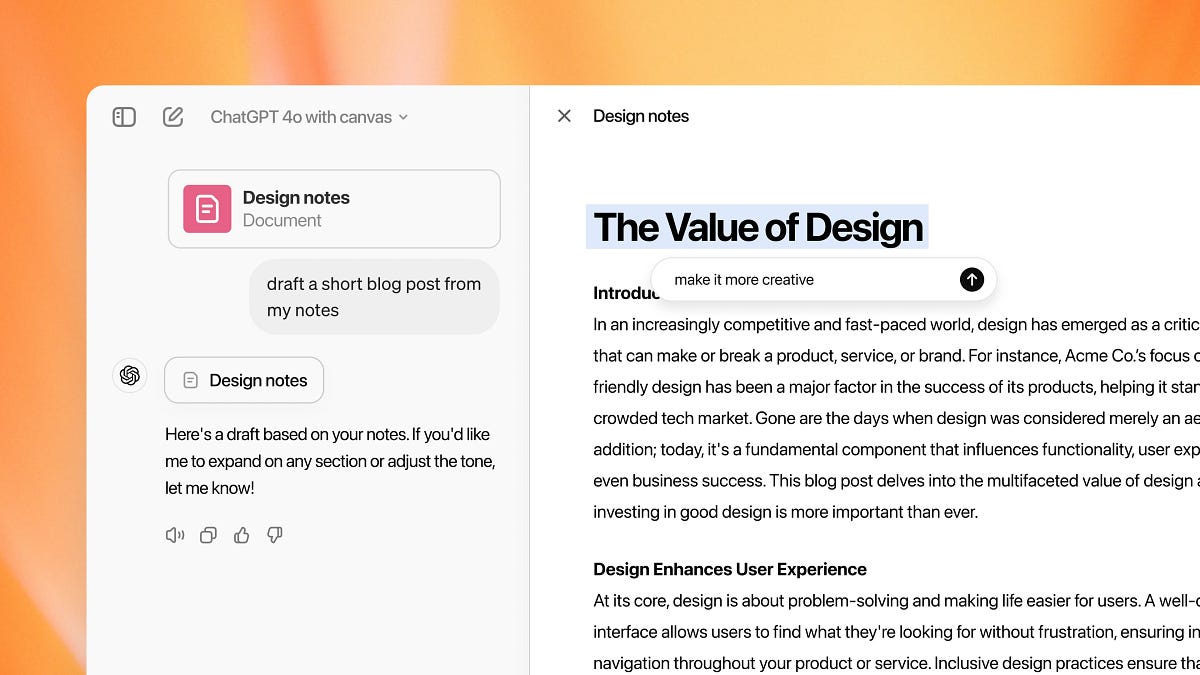
In the near future, we won't 'open PowerPoint' or 'go to Asana'. We'll simply describe what we want to accomplish, and the LLM will handle the rest.
-
AI Workspaces and Function calls
These are key drivers transitioning LLMs from single-player, generic use to broad commercial adoption in the workplace — but what are they…

-
Building a High-Performance Spreadsheet Engine: The Quest for Compatibility and Speed
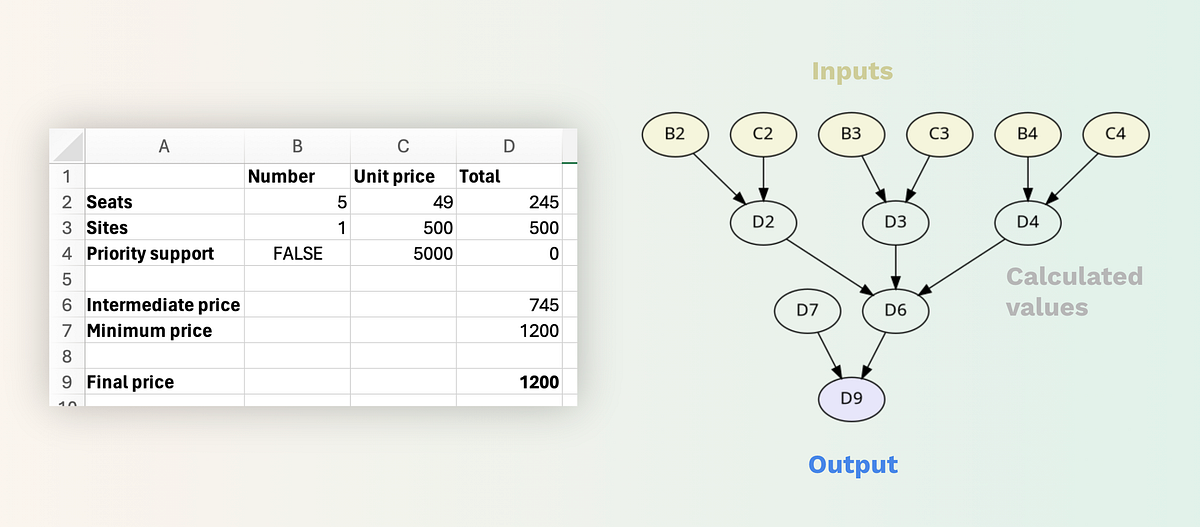
How rigorous testing and real-world benchmarking help us match Excel and Google Sheets while delivering lightning-fast calculations.
-
ChatGPT vs. Spreadsheet powered AI
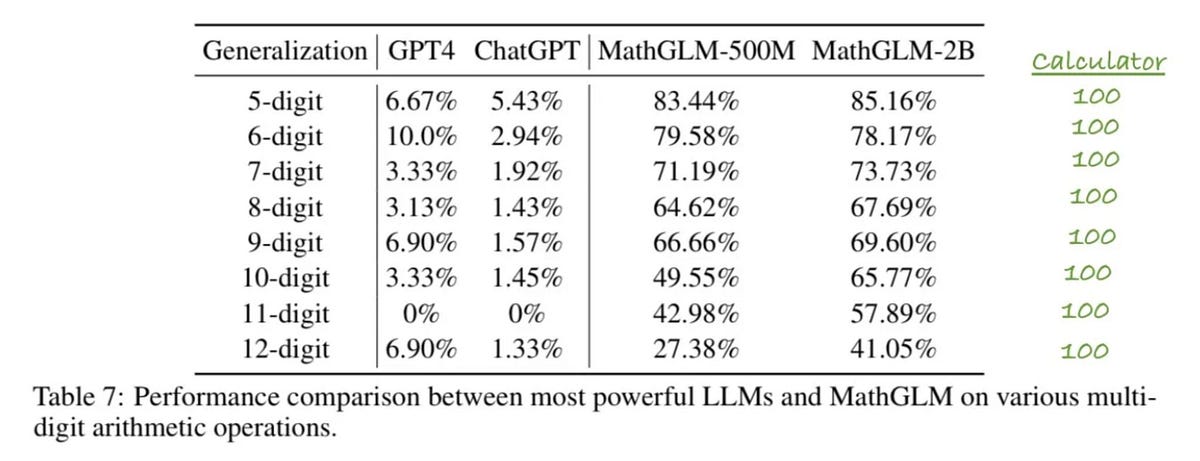
ChatGPT is not ready for spreadsheet models. It will give you wrong results … and confidently so.

-
The Air Canada Chatbot Problem
Air Canada's chatbot gave a customer incorrect bereavement fare pricing. A court held the airline liable. It's an early preview of the reliability problem at the heart of AI.
-
Introducing: Spreadsheet Powered AI
LLMs are transforming how humans and computers interact. But they need specialized tools for facts and calculations. That's where spreadsheets come in.

-
Let Large Language Models handle language
Leave facts to databases, calculations to algorithms, and let LLMs finally bridge the gap between human and computer languages.
-
Can Generative AI do 10% of Human Tasks?
If generative AI can handle even 10% of human tasks, the productivity gains could double global IT spending. Sam Altman and Satya Nadella think it will.

-
When all roads lead (back) to spreadsheets
GRID doubles down on spreadsheet modeling

-
Monetizing expertise through spreadsheet models
Domain experts across a range of domains use spreadsheets to “encode” their unique expertise. Many are looking for ways to monetize it.

-
Free-form spreadsheets vs. spreadsheets-as-databases
Take a look at the spreadsheets in your life, and you will notice that every sheet falls into one of two categories:

-
How we built a GPT-3 powered spreadsheet formula assistant
It allows our users to write a description of the calculation they’re looking to do and receive a suggested formula in return.

-
Generative AI and spreadsheets
Large language models won’t replace financial modelers any time soon, but are here to assist them already
-
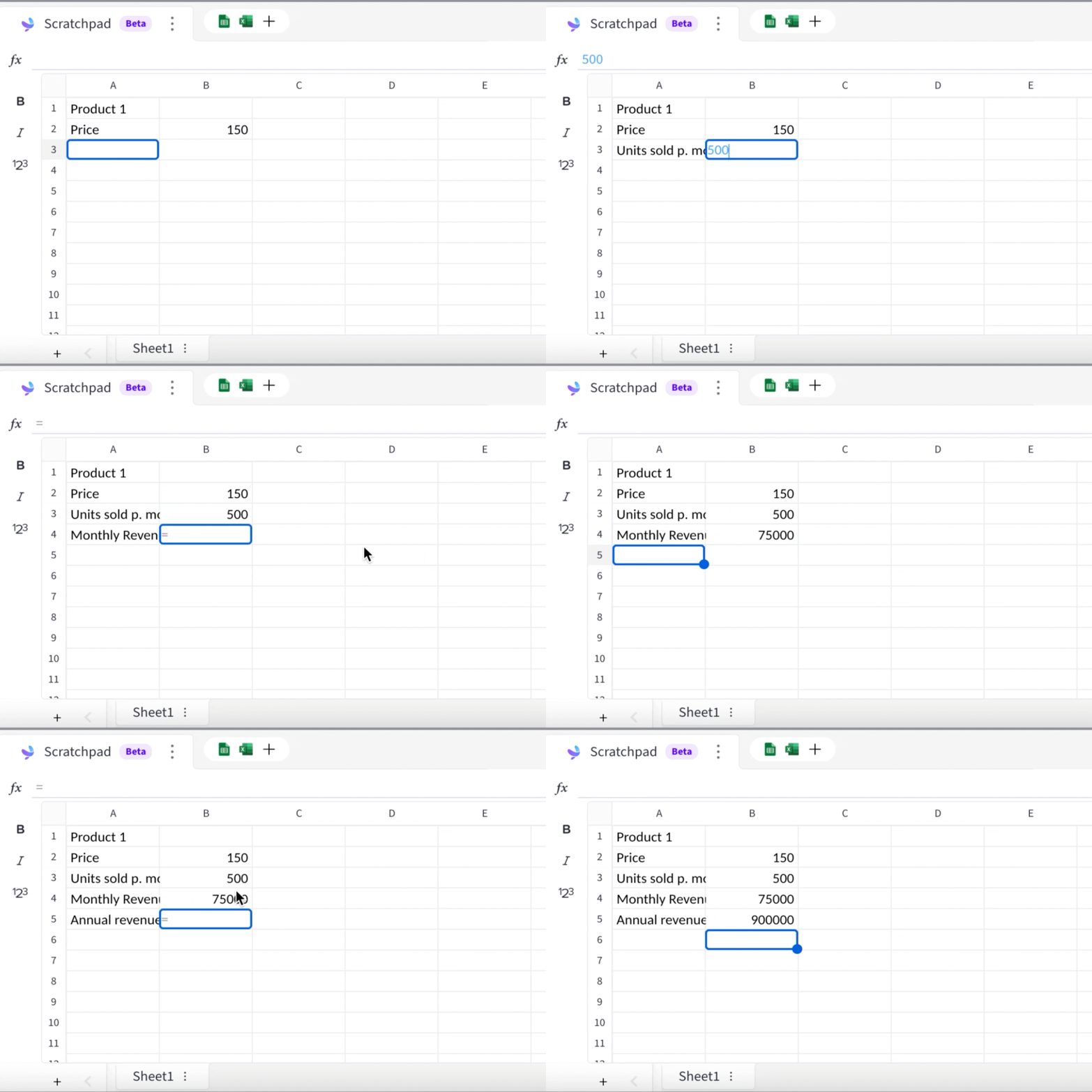
Launching Scratchpad: GRID evolves into an end-to-end data tool
GRID is on a mission to become the numbers tool for a new generation.
-
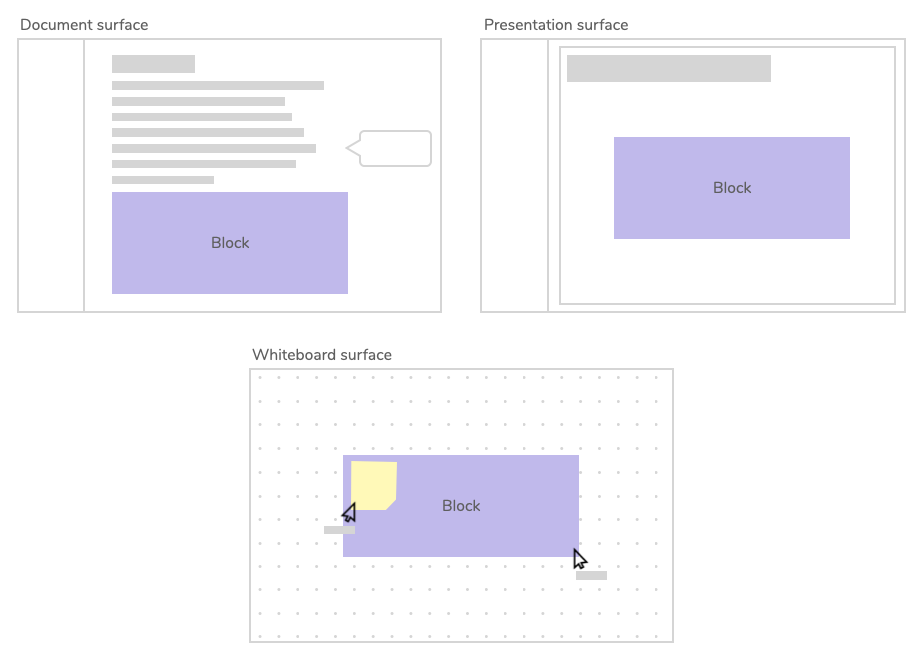
Blocks and Surfaces: Battlegrounds for the Future of Work
With the rise of next-generation productivity tools I feel that we are about to witness a two-pronged race:
-
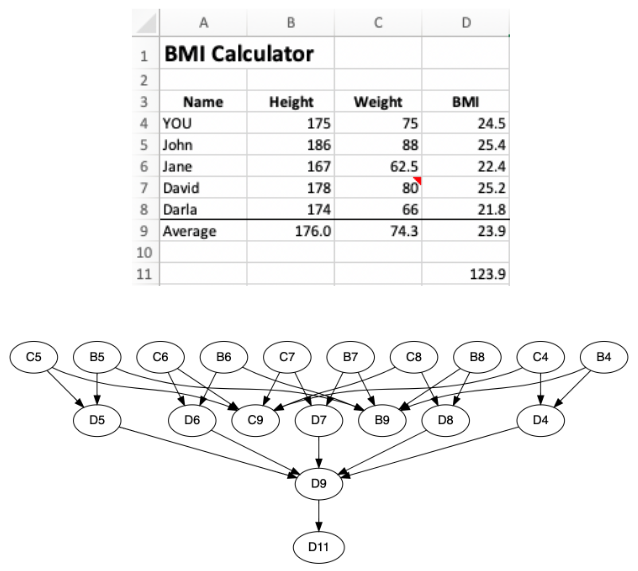
We built a spreadsheet engine from scratch. Here’s what we learned.
From the very beginning, one of the core ideas behind GRID has been that spreadsheets — and spreadsheet models in particular — can be made…
-
Spreadsheets: Where businesses dream about their future
Businesses analyze their past using Business Intelligence, but spreadsheet models are where they dream about the future.

-
We can all be numbers people!
Working with numbers and data does not have to be so intimidating.

-
What’s next for GRID?
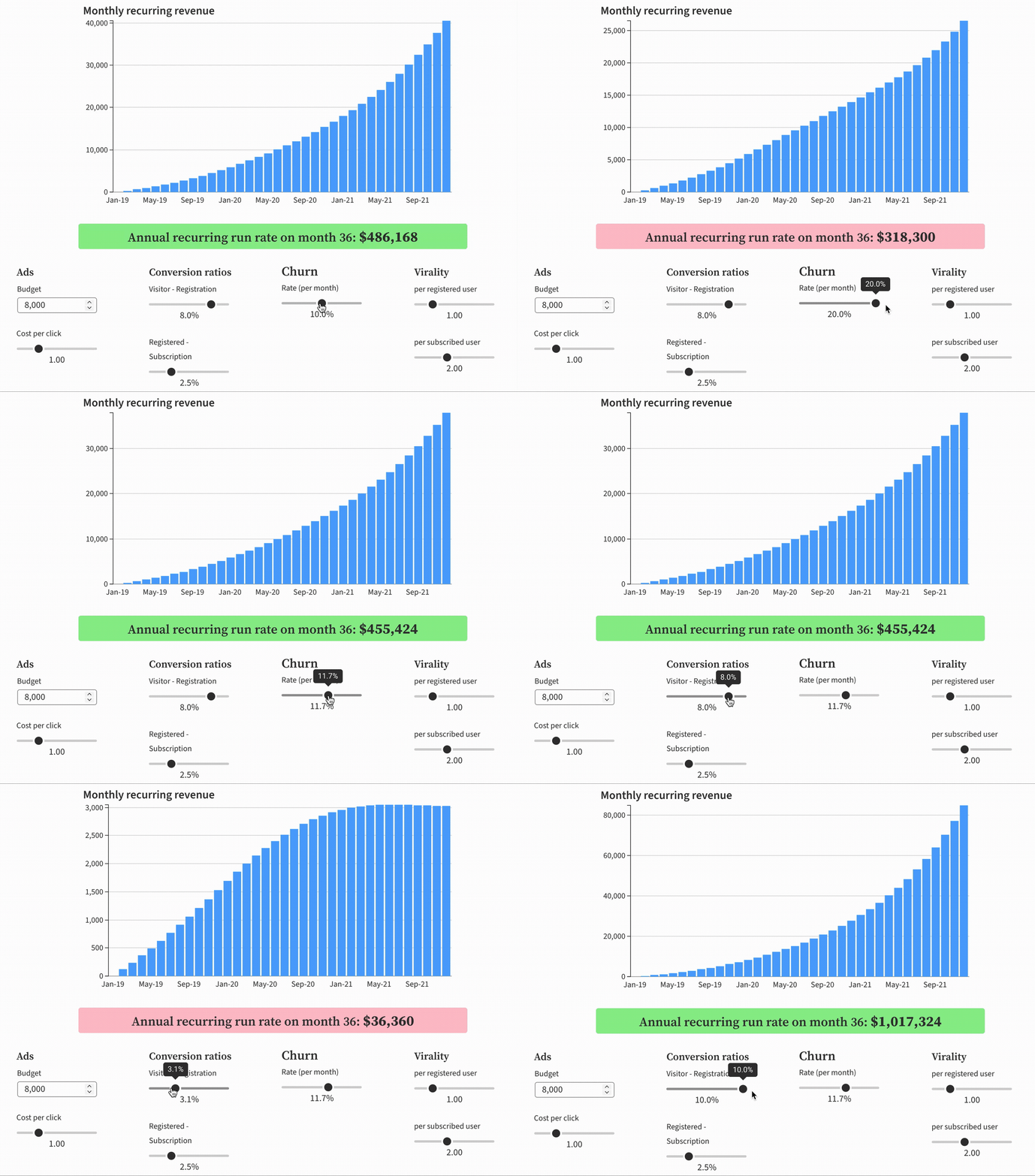
GRID has already given spreadsheets a new face. In 2022 we’re transforming GRID to become the primary tool of choice for modern teams…
-
There’s a programming language that rules the world, but doesn’t have a name!
1. ??? 2. JavaScript 3. Python 4. Java 5. C/C++ 6. PHP. …

-
GRID adds in-product conversations — extending the power of spreadsheets from exploration to…
I’m thrilled that we are rolling out the next step on our journey to make GRID the tool where modern teams explore and explain matters at…

-
The true value of analytics is in the discussions that follow
Every now and then, you read or hear something that changes the way you think about things. The most profound such moments are when you…

-
How I introduce people
I’ve gotten to know a lot of great people throughout my career. Largely without burning bridges too badly.

-
Spreadsheets and low-code— it’s the grid, not the syntax
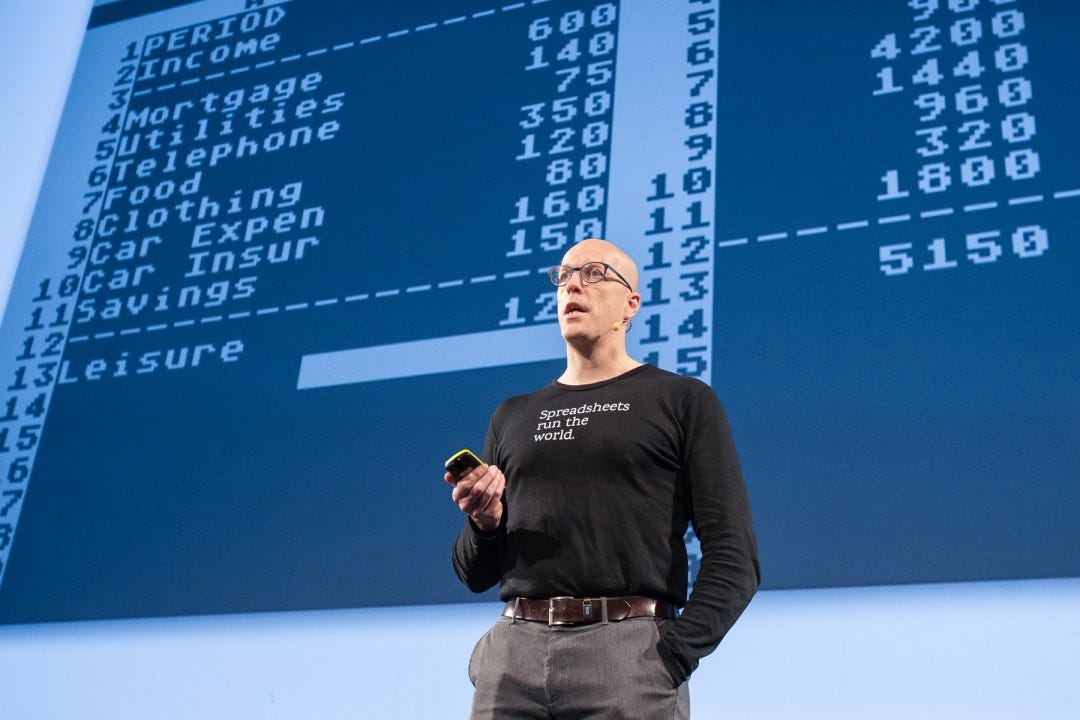
With the rise of low-code products, many have realized that not only are spreadsheets programs, but the syntax that today’s spreadsheet…
-
The value of Product Principles
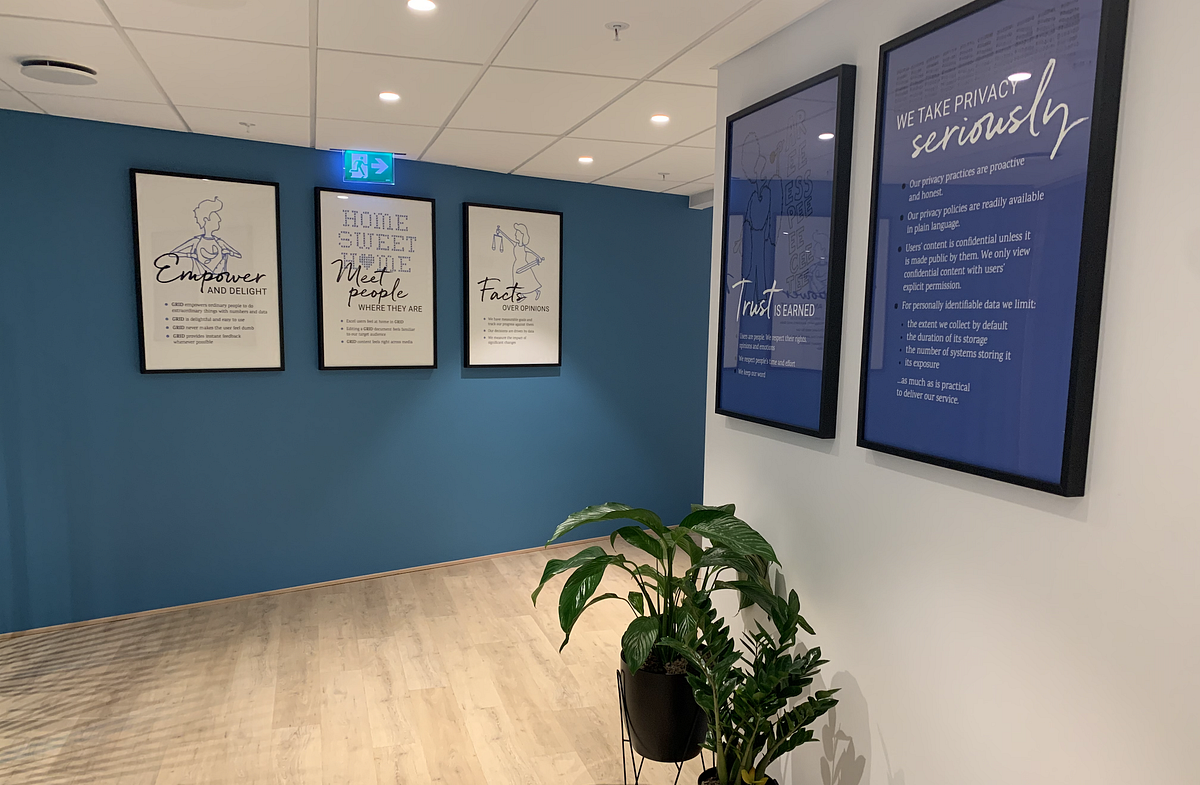
What are Product Principles? Why are they important? How to establish them? …and an example from GRID
-
GRID launched: Reflections, insights and gratitude
GRID is now officially out of Beta, and our Pro Plan commercially available.

-
How to “pay it forward” without losing focus on your primary responsibilities
I’ve been starting companies for 25 years now, GRID being my fifth as a founder. So I guess that if you buy into the 10,000 hours rule…

-
What every product innovator can learn from the spreadsheet history
Understand which shoulders you are standing on, and meet your users where they are already comfortable.

-
What Excel and UK’s Covid data can tell us about modern IT infrastructure
As you’ve probably heard, about 16,000 cases of the coronavirus in the UK went unreported because Public Health England used Excel and an…

-
Observations from raising a Series A in 2020
Two weeks ago, GRID announced a $12M Series A funding round led by NEA. I thought it might be interesting for fellow entrepreneurs to read…

-
GRID: The Backstory
Although we’ve only been working on GRID for a little over 18 months, the backstory is certainly somewhat longer.
-
If you understand the spreadsheet, you understand the deal
The one with the spreadsheet is the one with the knowledge.

-
A Notebook for Excel (and Google Sheets)
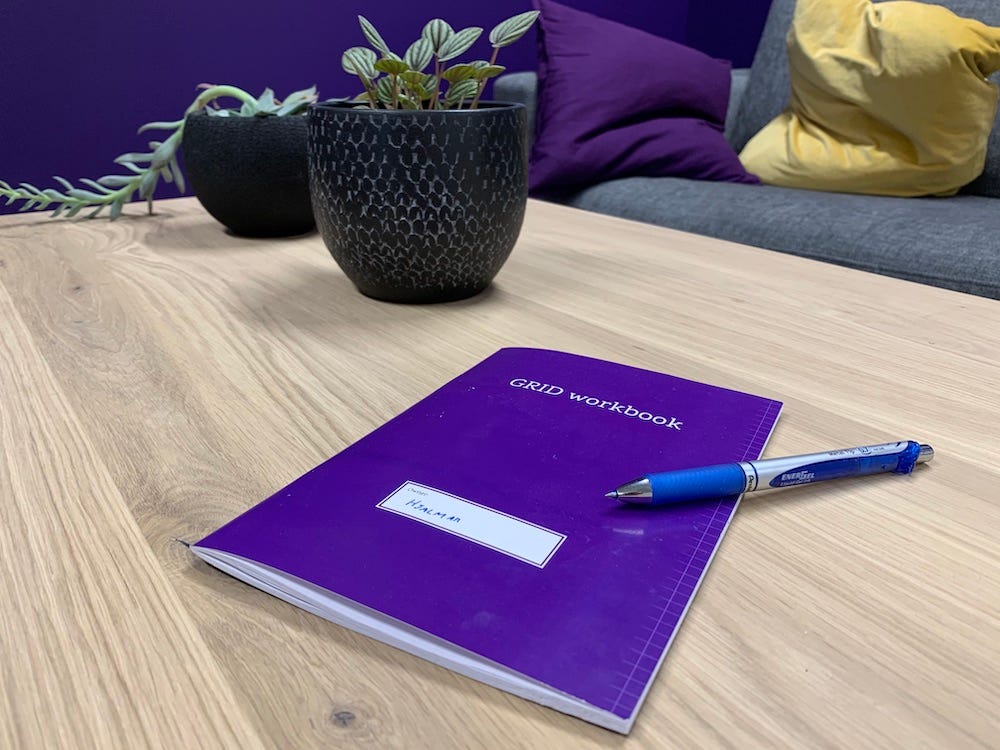
Computational notebooks have taken the Data Science world by storm over the last few years. And for a good reason. They enable transparent…
-
Linguists are to text what _____ are to data?
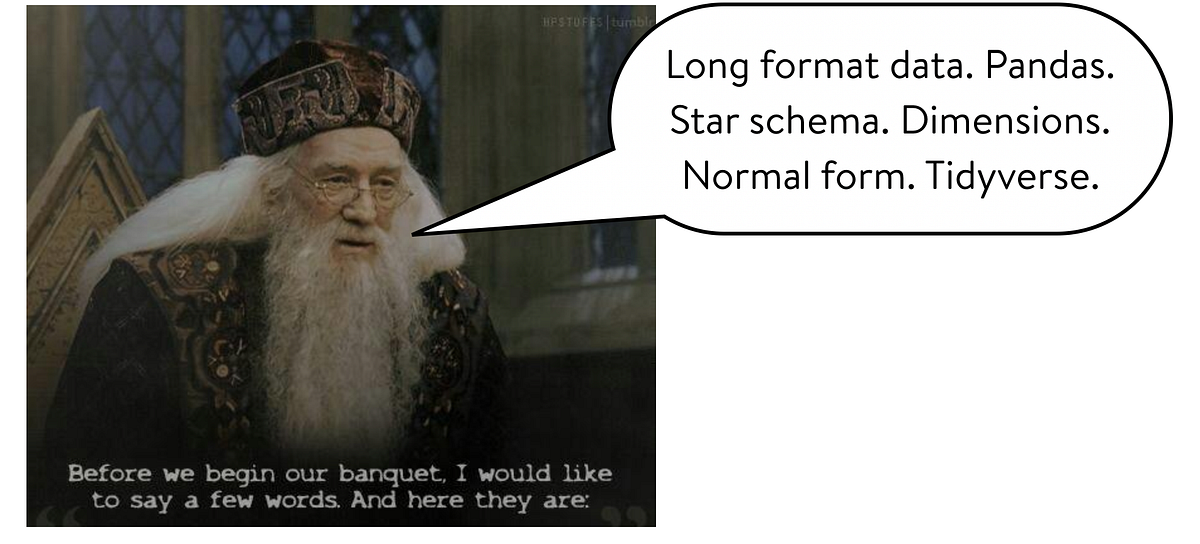
You don’t have to be a linguist to write great text — why do you have to be a data expert to work with data?
-
Spreadsheets lack people skills
Spreadsheets are these amazing productivity tools that enable regular knowledge workers to get all sorts of stuff done without having to…

-
Spreadsheets as a UI pattern — leveraging knowledge workers’ existing skills
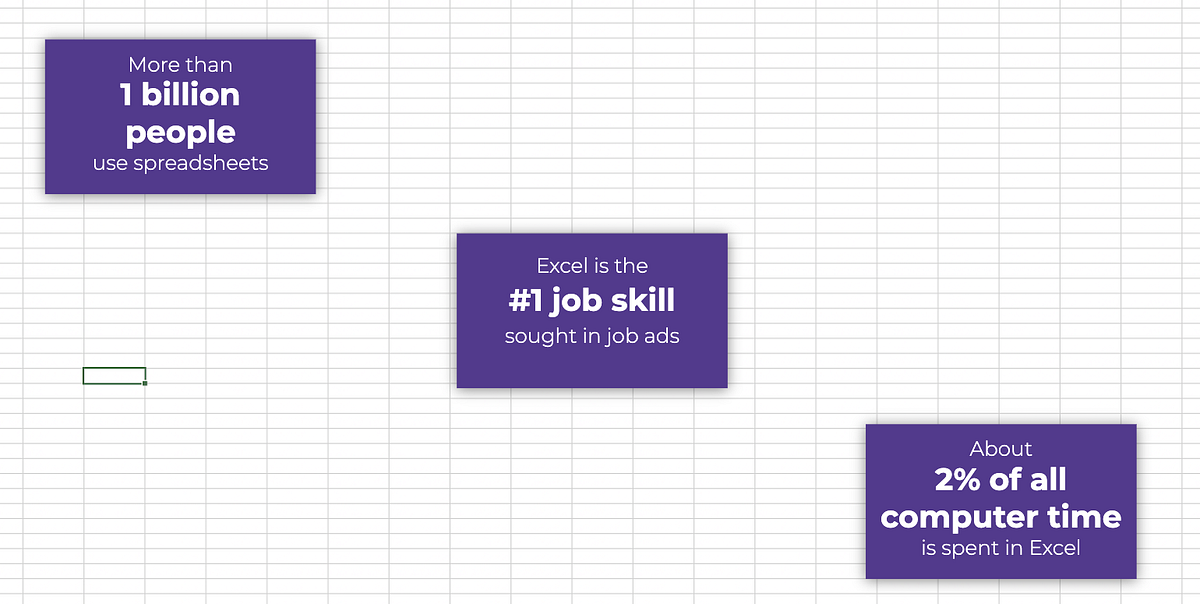
After a somewhat quiet decade or so, the last few years have seen a significant uptick in innovation in the productivity tool space. The…
-
Every company has a “spreadsheet fabric”
When talking to people about their spreadsheet usage, I’ve noticed that spreadsheets are so ubiquitous, people tend to underestimate how…

-
Spreadsheets, we have a problem!
In previous posts, we’ve talked a lot about how spreadsheets empower domain experts to solve many of their own IT needs:

-
How can I get things done NOW (without talking to IT)?
Spreadsheets are the knowledge worker’s answer to the question: How can I get things done NOW?

-
The Case for Modern Productivity Tools
Several startups are realizing the power of spreadsheets and the spreadsheet “metaphor” as an end-user development approach: A way to…

-
The business world’s love/hate relationship with spreadsheets
Spreadsheets are knowledge workers’ answer to the question: “How can I get this done NOW?”, where “this” can be anything from creating a…

-
1978: Spreadsheets = Sorcery
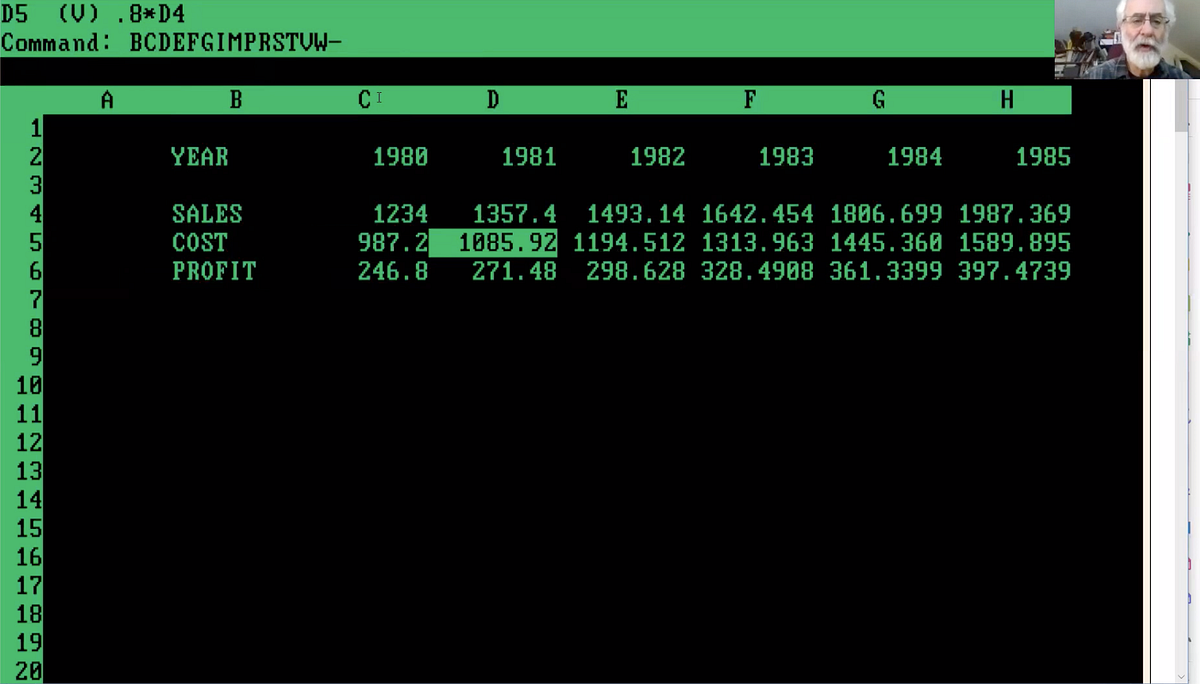
The “father of the spreadsheet” — Dan Bricklin — recently presented remotely for a group of college students at Carnegie Mellon.
-
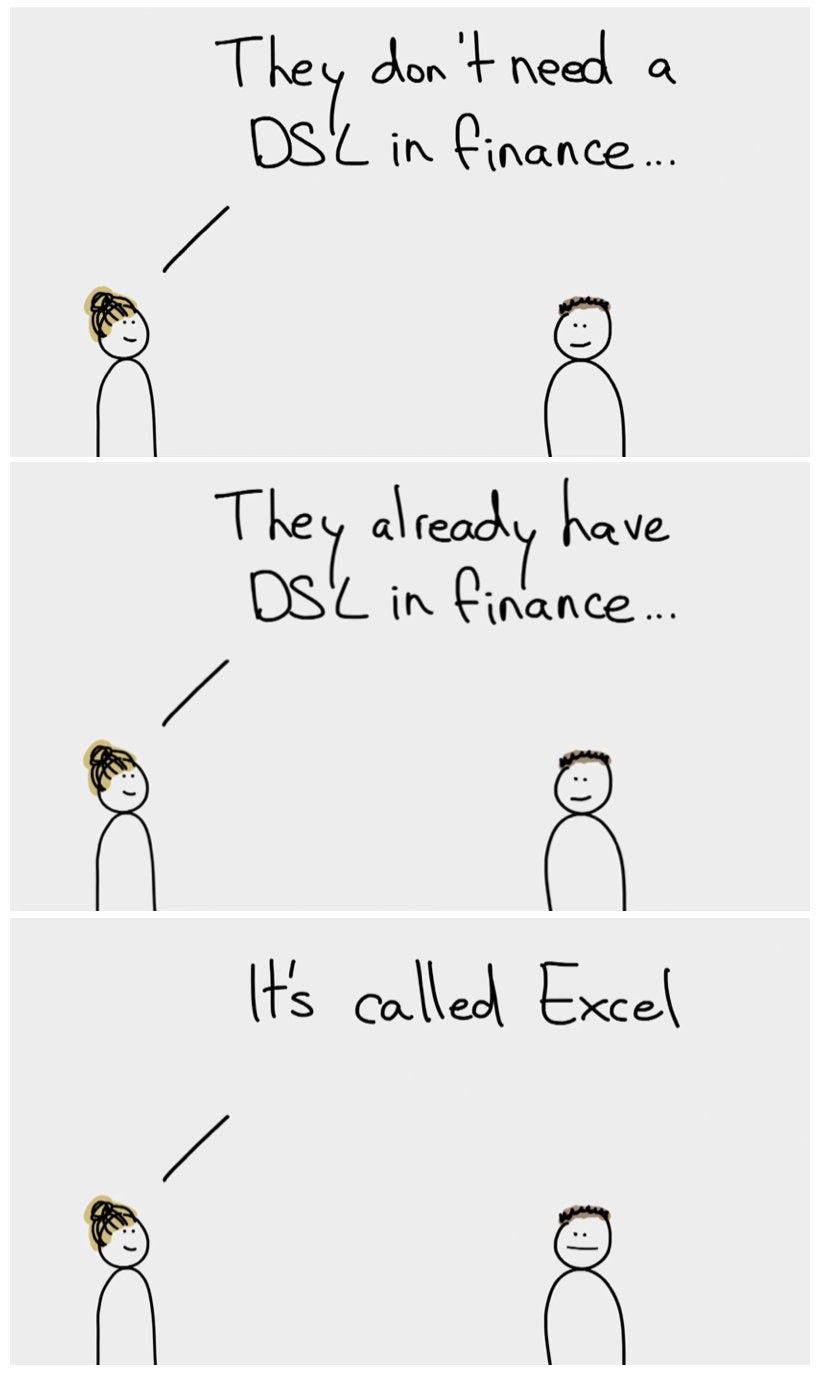
Excel — a Domain Specific Language for Finance?
One of my biggest inspirations when doing background research before starting GRID was Felienne Hermans. I met Felienne first at Strata in…
-
The 20 Best Spreadsheet Quotes
In GRID’s deep dive into the world of spreadsheets, we’ve come across a lot of insightful, witty and sometimes somewhat distressing quotes…

-
Spreadsheets are programs
I’ve said it before, and I’ll say it again: Spreadsheets are programs!

-
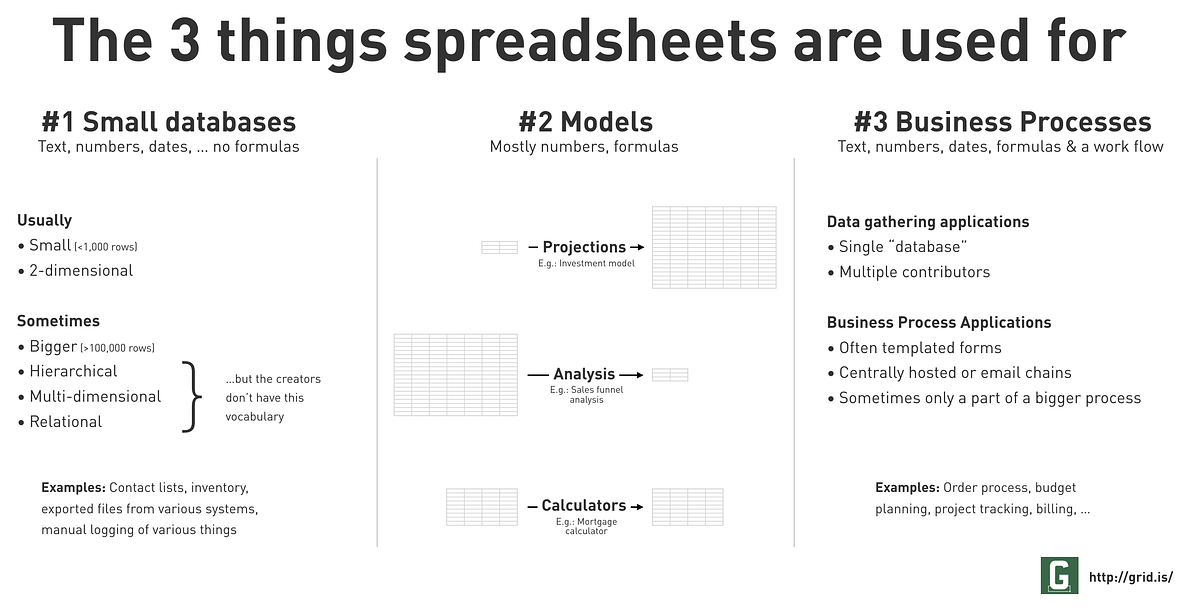
The 3 types of spreadsheets
We have been taking quite a deep dive into the world of spreadsheets lately. We have analyzed tens of thousands of spreadsheets “from the…
-
Writing a business plan: What to cover?
I’m often asked to advise on or review business plans from budding software entrepreneurs. So often in fact that I have a canned response…

-
What’s your level? Six levels of spreadsheet sophistication
In preparing everything from the product features and UI to the go-to-market plan and messaging for GRID, we have realized that it will be…

-
Excel vs. Google Sheets usage — nature and numbers
This post was written as a part of research for: GRID — the new face of spreadsheets.

-
Export to Excel — business software’s most common feature?
In the analytics industry there is a standing joke that “Export to Excel” is the most used feature of any analytics software. From my own…

-
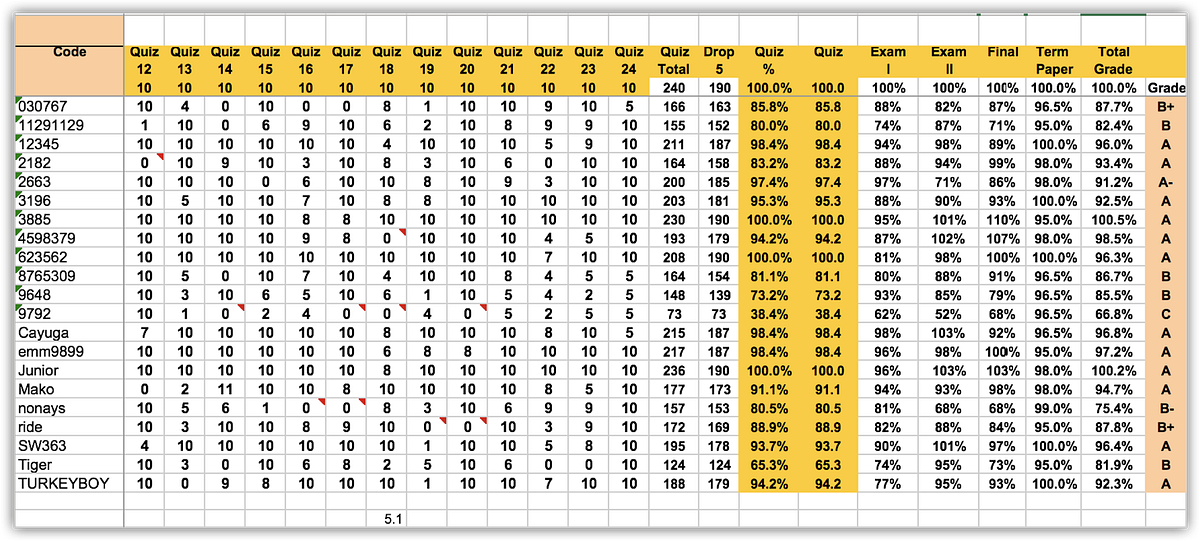
Your biggest competitor is a spreadsheet
This article has also been published on the GRID Blog.
-
Is no data better than wrong data?
A few weeks back I stumbled upon this tweet in a thread about the accuracy — or lack thereof — of the Foobot air quality meter:

-
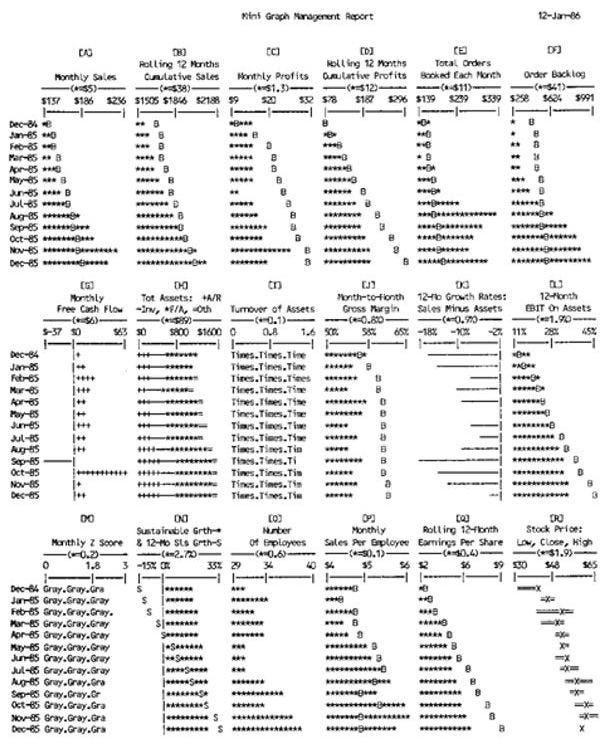
The first digital data dashboard?
A few weeks ago I wrote about what might be the first computer data visualization.
-
3 things you don’t understand about spreadsheets (part 3)
This is the 3rd and final part of a series of blog posts on the origin and nature of spreadsheets.
-
3 things you don’t understand about spreadsheets (Part 2)
This is part 2 of 3 in a series of posts about the nature and history of spreadsheets. Make sure to also check out part 1: “Spreadsheets…

-
3 things you don’t understand about spreadsheets (Part 1)
The world has a love/hate relationship with spreadsheets.

-
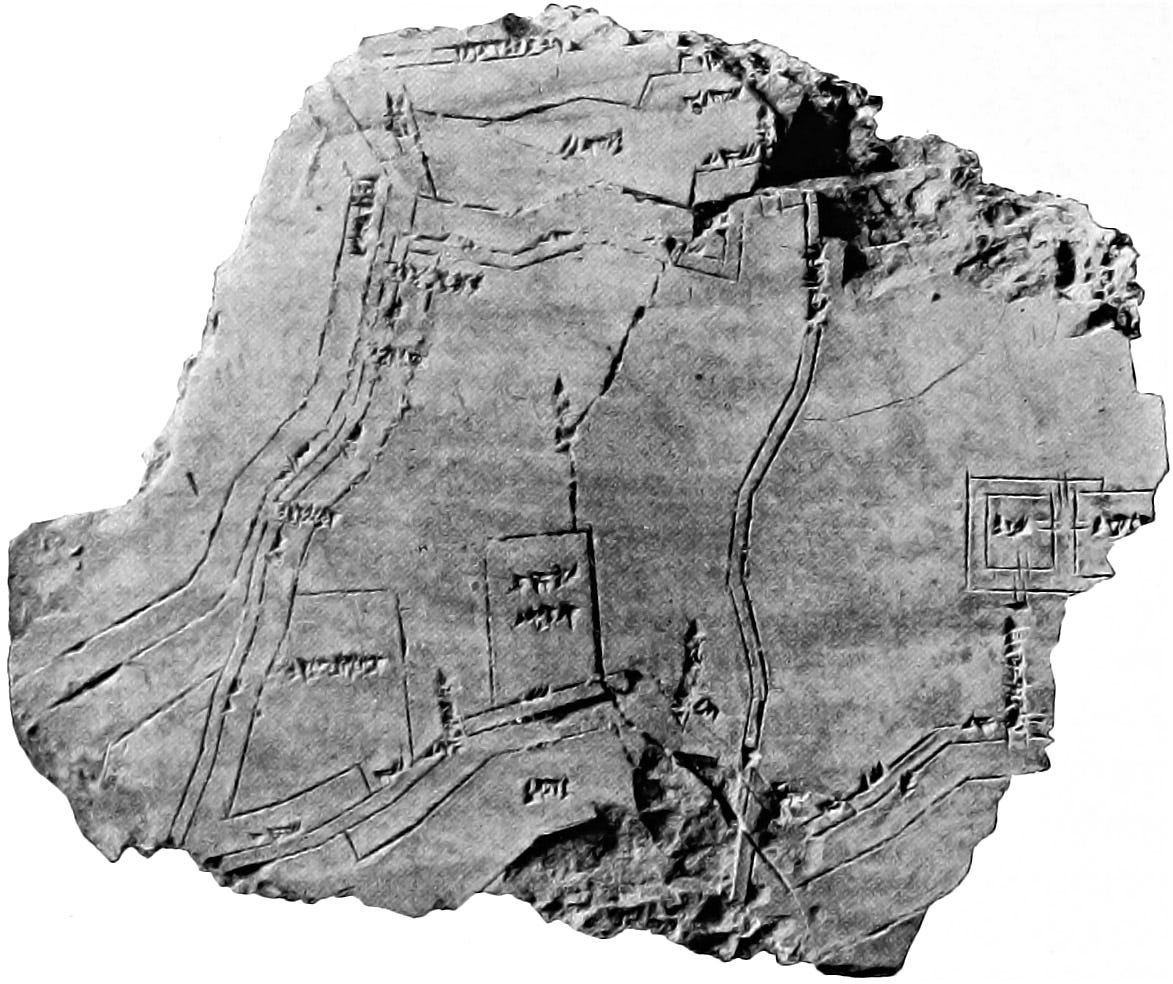
Is this the first computer visualization?
For a while, I’ve been on the hunt for what might qualify as the first computer data visualization.
-
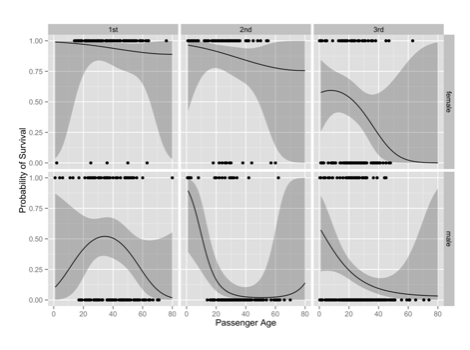
Ten famous and useful demo data sets
When working with data preparation, analytics and visualization software, a few data sets show up again and again. A short while ago, I…
-
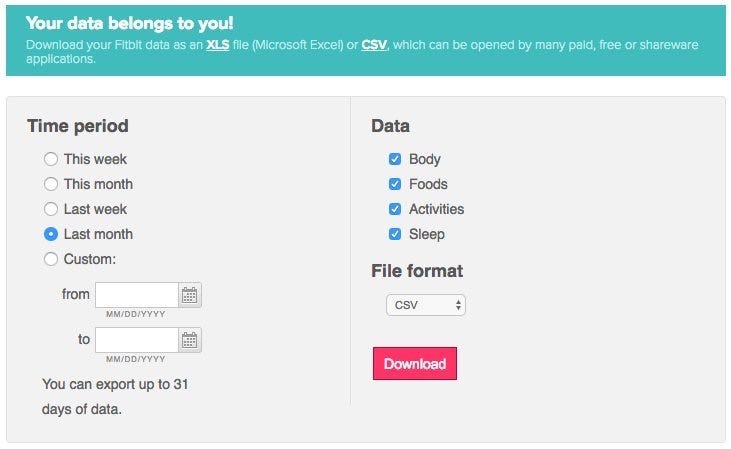
When Fitbit says “Your data belongs to you!”…
…what they really mean is
-
There is no “unstructured data” in analytics
When evaluating analytics and Business Intelligence solutions, people often ask whether the software supports unstructured data.

-
There is no “Big” in “Data”
Despite everything you hear about “Big Data” these days, here’s a piece of news: Anything you will ever see in your life is “small data”.

-
Identifying people — in data
First off: This is *not* an article about how to identify individuals in anonymous or anonymized data. It is about the standard codes and…
-
Formatting numbers for machines and mortals
I was deeply proud the other day when my five year old son encountered this screen in one of his favorite games, and exclaimed: “Why didn’t…

-
100 Random People on Planet Earth
Here are 100 people picked randomly from the population on planet earth:

-
He who has never left home is “heimskur”: Current affairs explained through Icelandic etymology
The Icelandic word for “stupid” is “heimskur”. This has long been one of my favorite words, because it comes from the word “heima” which means “home”: He who has never left home is “heimskur” – stupid. At a book award ceremony in Iceland yesterday, one of Iceland’s best authors pointed out anothe...

-
A [data entity] by any other name…
When working with data, you’ll quickly realize how useful it is to have reliable unique identifiers to reference individual items or common…

-
Unique identifiers’ cheat sheet
For context, see previous posts:
-
Rest in peace professor Rosling
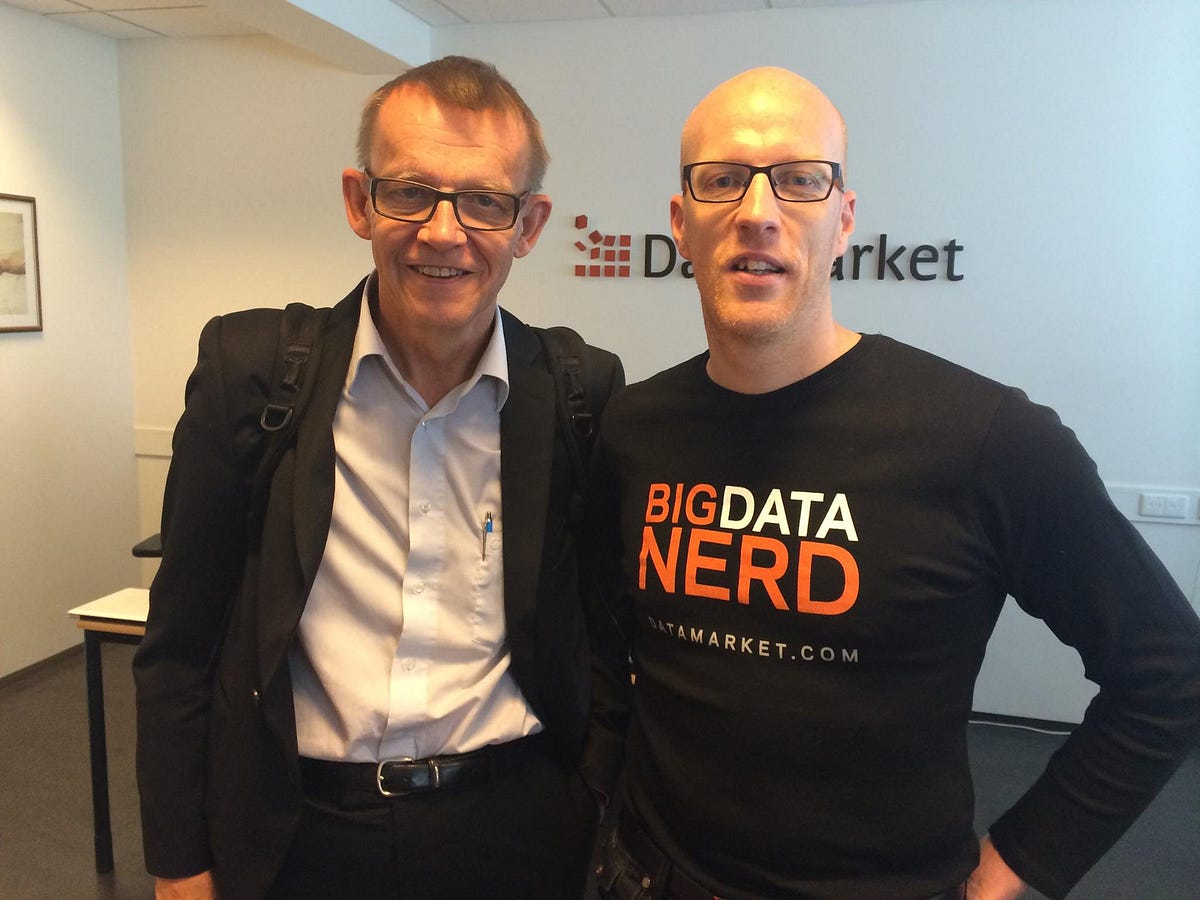
I am deeply saddened learning that professor Hans Rosling passed away this morning.
-
Dealing with countries — in data
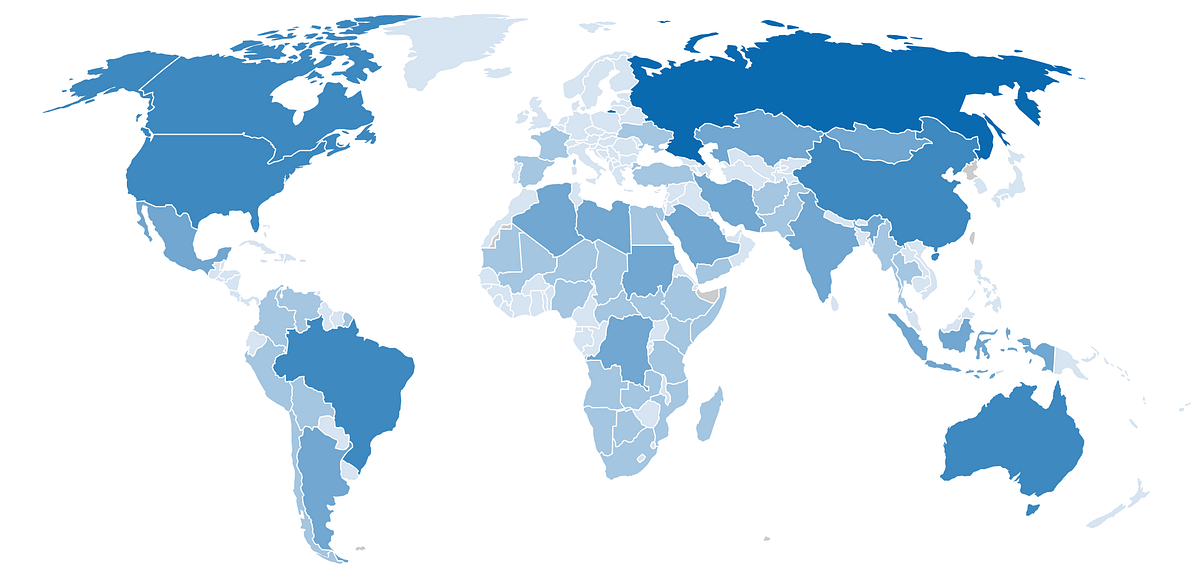
Countries are one of the more common entities one comes across in data sets of all sizes, shapes and topic areas. Often found in a field or…
-
Data pivots for Kindergartners
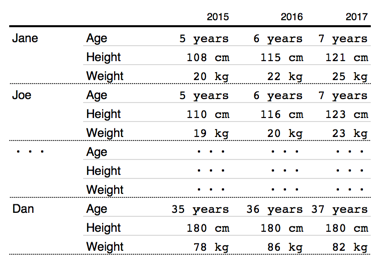
One of the first things many of us are likely to do with data is a Kindergarten or first grade exercise in data gathering that will result…
-
You want to start a company. But why?
Having been through the startup process several times (DataMarket was my fourth as a founder), I have come to the conclusion that the most important part of starting a company is for the founder or founders to think about and agree upon why they want to build the company in the first place, and w...
-
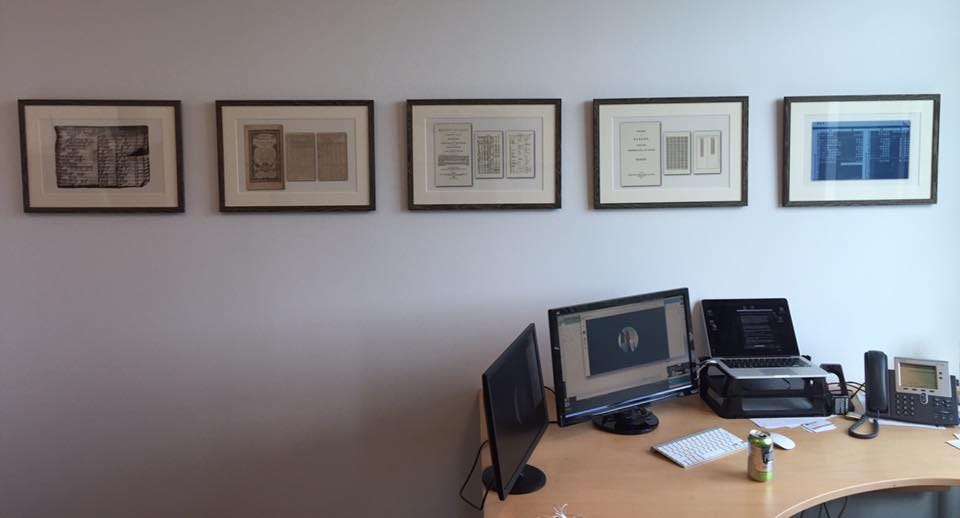
Data tables: From Sumer to VisiCalc
The history of tabular data in 5 beautiful prints — now on my office wall
-
Negative news: You’re reading them wrong
People involved in developing software tend to mostly hear negative feedback: What’s missing, what’s not working, what’s been implemented poorly. Hearing this, it is easy to imagine that your software is shit. Exactly the same is true of the news. We all tend to hear mostly negative news: Wars. D...

-
What does a random place look like?
What does a random place on Earth look like? Is it pristine and beautiful like this one? …or polluted and gloomy like this one? Let’s find out. Let’s find photos of 5 random places around the world. But how? Random places The first challenge is to select 5 random places. This is not as straightfo...

-
What does a random place on Earth look like?
Despite everything, the world is still a pretty big place — on the ground level.

-
“Brutal transparency” on the DataMarket blog
I just posted a new entry on the DataMarket blog: Iceland: Restoring trust through open data and “brutal transparency”
-
Iceland & Energy – presentation w. John Perkins
Just finished my previously mentioned presentation on Icelandic energy data. Some 250-300 people showed up – mostly to listen to John Perkins obviously. Interesting audience to say the least, but a lot of fun! My DataMarket piece went well – and putting it together at least helped me put some thi...
-
Iceland & Energy: Upcoming presentation
I have been invited – on behalf of DataMarket – to give a presentation at the University of Iceland on April 6th. The occasion is a small conference due to the visit of “Economic Hit Man” John Perkins to Iceland. Perkins is here to attend the premiere of “Dreamland“, a documentary on the effects ...
-
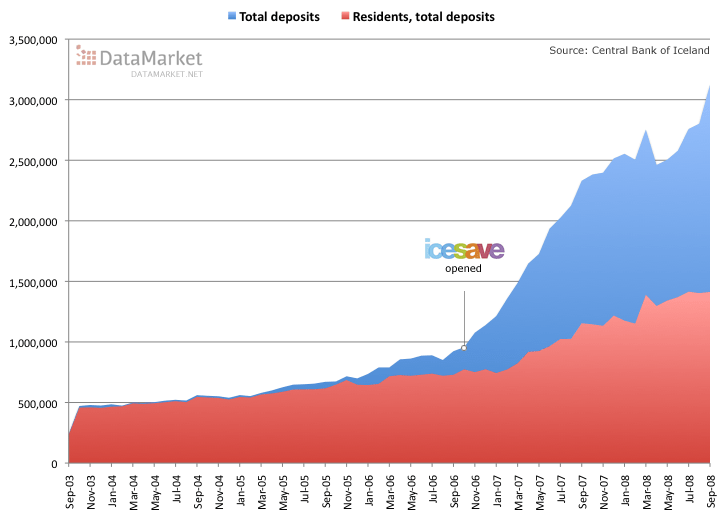
Icesave and Icelandic deposits
As DataMarket‘s Money:Tech gig (see previous entry) approaches, we’re starting to see all sorts of interesting data coming together to form our “DataMarket on the Icelandic Economy”. Some graphs just speak for themselves. Here’s one that caught my eye today: The numbers are millions ISK. Note tha...
-
DataMarket at Money:Tech 2009
My company – DataMarket – will be doing a presentation at O’Reilly’s Money:Tech conference in New York in February. I attended the first Money:Tech conference earlier this year, and I must say it’s one of my favorite conferences ever, so I’m greatly honored to be speaking there. The topic of my p...
-
Hans Rosling strikes again
I’m a big fan of Hans Rosling. He’s really the guy that opened up the eyes of the world to the importance of availability of and open access to data. His latest presentation, from Google’s Zeitgeist08 conference, is now available on YouTube. It is not as stunning as his original TED eye-opener, b...
-
DataMarket launched
I’m pleased to announce the launch of DataMarket’s new website. As the name implies, DataMarket is about creating a marketplace for data – structured data to be more specific. This means all sorts of statistics and tabular data, including but not limited to: market research, exchange rates, vario...
-
Presentation on Innovation (IceWeb 2008)
Ever since the banking crisis struck Iceland a few weeks ago, I’ve been running out and about to advocate for innovation as the way to rebuild the economy. Yesterday, I was privileged to give a presentation on the topic at the IceWeb conference. The title of my talk was “The Innovation Renaissanc...

-
To: Gordon Brown – From: An Icelander
Dear Mr. Brown, (cc: The international press) Here in Iceland, we are busy dealing with a series of mistakes in government, regulation and banking operations. As a result of a total collapse of our banking system, customers in the UK have feared for their deposits in Icelandic banks, just like ev...
-
The future of finance: Total transparency?
The financial crisis hit Iceland full force last Monday. One of our banks was pretty much nationalized, followed by a large investment company filing the equivalent of Chapter 11. This led to significant losses by a large “risk free” money market fund, that stored a part or all of the personal sa...
-
The Case for Open Access to Public Sector Data
This article will be published tomorrow in The Reykjavík Grapevine. Government institutions and other public organizations gather a lot of data. Some of them – like the Statistics Office – have it as their main purpose, others as a part of their function, and yet others almost as a by-product of ...
-
Enter the cloud – but how deep?
The new company is officially founded and has got a name: DataMarket. You’ll have to stay tuned to hear about what we actually do, but the name provides a hint 😉 In the last couple of weeks I’ve spent quite some time, thinking about the big picture in terms of DataMarket’s technical setup, and it...
-
Starting up – that would be the fourth
Well, well, well. I guess it’s some kind of a medical condition, but I’m leaving a great job at Síminn (Iceland Telecom) to start up a new company once again. This will be my fourth start-up, and I’m as excited as ever. It will be a relatively slow migration as I’m finishing off a few […]

-
iPhone, 3G and battery life
The rumours are getting ever louder. The new version of iPhone is coming out and it has 3G capabilities. Many have expressed their concerns that this will seriously affect the iPhone’s already relatively short battery life time. 3G chipsets certainly drain the batteries faster than 2 or 2.5G (i.e...
-
Adventures in copyright: Open access, data and wikis
I’ve just had a very interesting experience that sheds light on some important issues regarding copyright, online data and crowdsourced media such as wikis. I thought I’d share the story to spark a debate on these issues. For a couple of years I’ve worked on and off on a simple web based system f...
-
Firehose aimed at a teacup
Dogbert to Dilbert: Information is gushing toward your brain like a firehose aimed at a teacup. Every company, organization and individual is continuously gathering and creating all kinds of data. Most of this data collection is happening in separated silos, with very limited connections between ...
-
Dear Apple – may we pay?
Update (Feb 7): Updated the estimated number of iPhones in Iceland in light of more reliable data. As stated before: I live in a small country, nobody wants my money. In the couple of years since I wrote that post, I’ve been watching in awe as my fellow Icelanders – and in fact a lot […]
-
The inevitable business model for music
There is a lot of turmoil in the music industry. The big publishers (usually dubbed “the majors”) are finally waking up to the fact that a decade of neglecting to come up with suitable business models for the web has bred a generation of consumers that have never paid for music. For them, music i...
-
The Government API
A couple of weeks ago I attended a conference where there was a lot of talk about Business Process Automation (BPA) and Service Oriented Architecture (SOA). Disclaimer: Yes, I do lead a very exciting life, even if attending such a conference may indicate otherwise. You’re probably familiar with t...
-
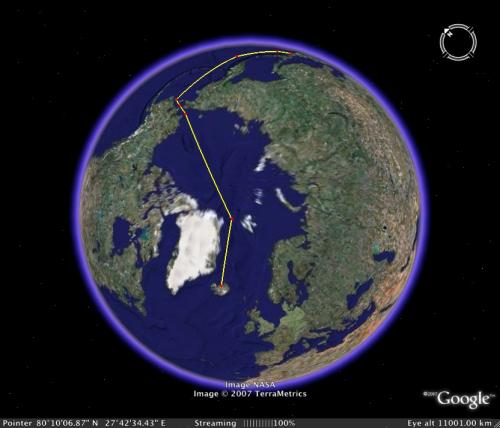
The Polar Express … for data!
I was at a nerd party last Friday and as it goes, ideas became wilder as the beer supply diminished. One of the wilder ones stuck with me: Jarl brought up the possibility of a submarine cable across the Arctic region, properly connecting East-Asia and Europe. This is certainly a wild idea, but as...
-
Google, gPhone and the disruptive business model
Rumors about Google’s upcoming mobile phone – dubbed gPhone – are becoming ever louder. If you thought Apple’s iPhone business model was disruptive for the wireless industry (demanding 10% of the operator’s revenues from iPhone users – voice and data) – just you wait for Google entering the scene...
-
Statistics With a Vengeance
Statistics superhero Prof. Hans Rosling is back with a new, entertaining talk about the importance of statistics and access to information as means to make our world a better place.
-
iPhone: APIs, 3G and “nothing new”
News flash: iPhone is coming out on Friday! (oh – you knew?) I’ve been moaning about it (in Icelandic) since it was only a patent and do not doubt that it will be a major success. In my evangelism since I’ve heard three main things criticized: It’s not a 3G phone It doesn’t allow 3rd […]

-
How far is it?
I’ve always been fascinated with those center-of-the-world type sign posts that tell you how far it is from where you are to various distant places. I just made a fun little tool so that anybody can do the calculations needed to create one. It’s fairly straight forward to use. The input fields ac...
-
Be right back…
-
Books are too long
I love books, but I never have enough time to read. Most of my book reading is non-fictional except during the Christmas and New Year when I try to swallow the cream of the crop of the years’ fiction. A lot of the best non-fiction books are really communicating only one or two core ideas. […]
-
White male seeks single search engine
As I store more and more data in different online applications, the need for a search engine that can search across them all becomes apparent. I have photos on Flickr, blog posts here on my blog, bookmarks in Spurl.net, contribute to several project Wikis, have written articles for a number of di...
-
The next Amazon web services
Jeff Bezos took the stage here at Web 2.0 Expo yesterday, followed by a conversation with Tim O’Reilly. Bezos was talking about the current state and future vision for Amazon Web Services. He said that basically Amazon wants to give web applications developers of the world the tools they need to ...
-
The world needs more people like him
This is a video of a presentation by Hans Rosling of Gapminder, the Swedish data visualisation organization that Google recently bought. Rosling has a great vision: To make the world a better place by improving access to and presentation of data about the world, such as statistics about poor coun...
-
Who will kill Google?
Paul Graham wrote an interesting piece a few days ago about the “death of Microsoft”. Not death in the sense that Nietzsche proclaimed to God, but in the sense Microsoft “killed” IBM. IBM remained (and remains) a strong company through the Microsoft era, but they were no longer ruling the IT indu...
-
Trends that shape the future Internet
I’m working on a document as a part of a study by Eurescom on the Future Internet – the Operator’s vision. Our part is on the applications of the future internet and as a starting point we’re identifying several trends that are likely to shape this future. We’re looking 10-15 years ahead in the s...
-
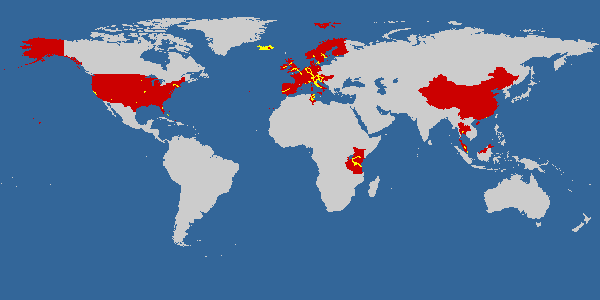
Visited Countries – Revisited
When I read Bill Bryson’s fantastic book “A Short History of Nearly Everything“, one of the things that stood out, was a reminder that the world is still a really big place. Even though we feel that we can – with a credit card, and a solid visa – get pretty much anywhere in the […]
-
Jólaglögg og jólakveðjur / Merry Christmas and an invitation
Sælt veri fólkið, Að venju er blásið til jólaglaggar (“glögg” um “glögg” frá “glögg” til “glaggar” eða var það “glöggvunar”). Flest kannist þið við prógrammið, en fyrir nýliðana í hópnum eru reglurnar eftirfarandi: Það verður opið hús hjá okkur frá því seinnipartinn á Þorláksmessu (les 16:00 GMT)...

-
The tipping point of long tail services
I couldn’t resist the title… Just a quick observation that I haven’t seen in the book or any of the online literature on the subject of The Long Tail. The moment that changed the way I use YouTube was the moment I started to assume that any video I might be looking for would be […]
-
Racing’s next technology marvel: Fuel efficiency?
I’m calling for a new rule in Formula 1 racing: A maximum on how much gasoline each car is allowed to use per race. The result will be accelerated innovation in fuel efficiency. A lot of automobile technologies, now found in passenger cars, have been invented and /or improved for racing purposes....
-
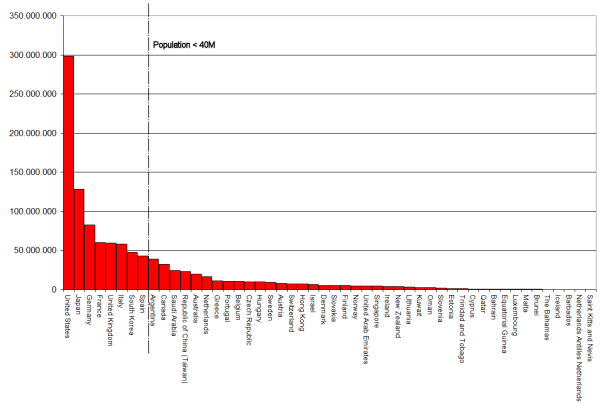
I come from a small country – nobody want’s my money
The long tail of countries Iceland has only 300,000 inhabitants. None of the “big guys” on the internet gives a damn about us. Yahoo! doesn’t care about us, neither does MSN. Google at least serves us a translated interface, but by using it we loose access to Google News, Google Maps, Google Vide...
-
Fleiri myndir frá Afríku / More photos from Africa
Magga er búin að setja upp annað myndasafn. Í fyrra safininu var það sem við völdum sem bestu myndirnar úr ferðinni, en í nýja safninu eru myndir sem segja ferðasöguna. Þessvegna eru líka smá textabútar hér og þar sem útskýra það sem um er að vera. Nýja myndasafnið er hér. P.S. Tabblo er snilld. ...
-
Madonna
Rakst á þetta í gömlu dóti sem ég hef sett saman í gegnum tíðina: Strange face images The brain is extremely good at recognizing human faces and is believed to have a special module or part that is responsible for analyzing faces (Carter, Rita; Frith, Christopher. (1999). Mapping the mind. Univer...

-
Displaying your Spurl.net bookmarks on your own page
I was playing with this new blog’s template. I had actually forgotten how incredibly easy it is to include your own bookmarks in your own page, complete with folders and everything. The following assumes that you are a Spurl.net user and make note that it will only show the links that you’ve chos...
-
Massively Multiplayer game as a work place
More than two years ago, I wrote a post titled When People are Cheaper than Technology. The basic premise there was that the cheapest and best solution to many problems we are trying to solve by building software systems could be to make people part of those systems – basicly what Amazon is now t...
-
New blog
I’ve started a new blog directly under hjalli.com It will be a bit more general and there will be posts in both English and Icelandic as suits each subject. It’s still very fresh and immature, but I hope to post some interesting thoughts there on Spurl.net, web search and the internet as well as ...
-
Spurl launches an Icelandic search engine
Originally posted on the Spurl.net forums on November 1st 2005 Spurl.net just launched an Icelandic search engine with the leading local portal / news site mbl.is. Although Iceland is small, mbl.is is a nice, mid-size portal with some 210,000 unique visitors per week – so this has significant exp...
-
Nýr hjalli.com kominn í loftið
Velkomin á nýja bloggið mitt. Smá upplýsingar um það hér. Svo er bara að bíða eftir að mér detti eitthvað í hug. Welcome to my new blog. Here is a short intro.
-
Using AJAX to track user behavior
Here’s a thought. With the rise of AJAX applications this is bound to happen, and may very well have been implemented somewhere, even though a quick search didn’t reveal a lot. So here goes: By adding a few clever Javascript events to a web page, it is possible to track user behavior on web pages...
-
Google and user driven search indexes
Needless to say, I am a firm believer that the next big steps in web search will come from involving the users more in the ranking and indexing process. The best search engines on the web have always been built around human information. In the early days, Yahoo! was the king, first based on Jerry...
-
Coming to terms with tags: folksonomies, tagging systems and human information
Over the past few years we’ve seen a big movement from hierarchical categories to flat search. Web navigation and email offer prime examples: Yahoo’s Directories gave way for Google’s search, Outlook’s folders are giving way for the search based Gmail. It’s far more efficient to come up with and ...
-
Is search the “next spam”?
I was a panelist at a local conference on Internet marketing here in Iceland last Friday. As you can imagine, a lot of the time was spent on talking about marketing using search engines. Both how to use paid for placement (i.e. ads) and how to optimize pages to rank better in the natural search […]
-
The Origins of Our Ideas
“Tell me what you read and I shall tell you what you are” is an anonymous play on a famous proverb. Every day we take in a lot of information from a variety of sources. This information shapes our ideas, opinions and to some extent our personality. But where is it coming from? Most of […]
-
Discussions moved to Spurl.net user forums
With the upgrade last week, user forums were added to Spurl.net‘s help section. From now on, discussions on Spurl.net development, support requests, bug reports and announcements will be there, as that format serves the purpose much better. Please join in the discussions there. In any case, goodb...
-
Related spurls per category
The database is finally reaching significant size so I decided to start playing with some of the things that I’ve been planning to do when a critical mass of spurls were reached. The new addition is very small on the surface, but I suspect it may become a favorite feature for a lot of Spurl […]
-
Setting the Scenario
This is a chapter from a book that I thought I was going to write, called The Brain Revolution It is an odd scenario. In a room that looks like a cozy TV-room, three people are sitting in chairs back to back in a rather tight circle. On the floor in the middle of the […]
-
The Brain Revolution
Once I was going to write a book. As a matter of fact I started writing a book. The subject was brain technologies from technical, philosophical, historical and futuristic standpoints. As all of my time now is devoted to developing Spurl.net further, I realized that this book is not going to be f...
-
The latest batch of updates + policies
A few updates in the last couple of days worth noticing. Moving multiple spurls: I finally got around doing this. Should have been done ages ago. There is now a checkbox in front of every entry in the lists on the My Spurls page. Check the appropriate boxes, select the category these entries shou...
-
Spurl.net grows fast
After a quite positive article about Spurl.net in Lockergnome – Windows Fanatics newsletter, Spurl.net saw a lot of new faces last week. Traffic has grown significantly and a lot of uploaded bookmarks should be making the recommendations and other Spurl features that use aggregated data from the ...
-
Multiple categories and other updates
The last few days have been spent on some good rearrangements. Most of them will not really show on the surface, but here are some of the changes you might have noticed: It is now possible to put a spurled page in more than one category at once (press the “multiple” link in the Advanced […]
-
Introducing: The Spurl bar
Spurl steps aside… I just completed wrapping the core functionality of Spurl.net into a neat toolbar that sits on the side of your browser. At the top of the bar is a search field, for searching your spurls (spurls are essentially “Bookmarks on steroids” for those of you that need a tagline). Bel...
-
Right click to Spurl!
Internet Explorer users can now add a Spurl! link to their right-click context menus. This has several traits: It allows users to spurl pages that appear in frames. It saves space on the desktop for those users that don’t use the Links bar for anything else. It bypasses pop-up blockers To install...
-
Private spurls and various minor updates
I may have been quiet for the last few days, but busy none the less. You may notice a new checkbox in the “Advanced” spurling window, labeled “Private”. This allows you to spurl pages that you don’t want to go through the public listings on Spurl.net. If a page is marked “Private”, the only place...
-
Successfully implemented CD purchase protection
My girlfriend bought me a CD yesterday. It was one I really wanted so it was a well appreciated gift. Now, we have our entire 5-600 CD collection ripped and stored on a server in our home. There is no stereo in our living room, only iTunes. So obviously the first thing to do with […]
-
Spurl link for Safari users
Several users have pointed out that the default Spurl link does not work on Safari browsers. Thanks to Trigger (in Icelandic), this problem is now fixed and Safari users can now enjoy Spurl.net every bit as much as everyone else. The Safari link can be found here. As I welcome you Safarians, I mu...
-
Workaround for problem with “Spurl this entry”
Vanz at Maestrini per Caso pointed out to me that if a title of a blog entry holds certain special characters such as quotes, the “Spurl this entry”-javascript doesn’t work. This is correct and can not be fixed in a simple manner. I posted a non-optimal workaround as an update to the original ent...
-
My spurls update
Some of you may have noticed an upgrade of the My spurls page. The main addition is that you can now rename, move and delete categories. Just go to the category in question and you see these features in the category header. It is no also possible to sort the spurls based on date, title […]
-
Spurl.net – Del.icio.us integration / Spurl.net API
In response to requests for further interoperability, I’ve made a couple of minor upgrades to Spurl.net: Del.icio.us integration: Current users of del.icio.us can now fill in their del.icio.us user information at Spurl’s My profile page (if you’re redirected to the homepage you need to log in) to...
-
Most visited spurls and export
I’ve made two improvements on “My spurls”. Both improve the usefulness of the My spurls page quite a lot and are the first steps in a major upgrade I’m doing to that ppart of Spurl.net in general (including the search functionality). Most visited Spurls: Spurl now counts every time you click a li...
-
Spurl: TiVo for the Internet!
Found this quote in an Icelandic discussion on Spurl.net: “TiVo for the Internet!” It can easily be scrutinized, but it sounds kind’a nice. 😉
-
The Spurl.net philosophy
Even though I’ve moved discussions about Spurl.net to another blog, I thought this belonged here as well… – – – “Tell me what you read and I shall tell you what you are.” is an anonymous proverb. While I have no intentions to use Spurl.net to tell you who you are, the proverb highlights how […]
-
The Spurl.net philosophy
“Tell me what you read and I shall tell you what you are.” is an anonymous proverb. While I have no intentions to use Spurl.net to tell you who you are, the proverb highlights how important the information we consume is. Every day we take in a lot of information from a variety of sources. […]
-
Storing pages and searching full text
Spurl.net now allows users to store a copy of spurled pages. Use the “Advanced” tab of the spurl! window, and choose “Store / Yes”. When a page is stored, Spurl.net also indexes the entire text of the spurled page and thereby allows users to later search for any piece of text on pages that they […]
-
I’m waiting for the Trillian of Social Networking
This morning, the inevitable happened. I got an invitation from people that are starting to use Orkut, the latest fad in the Social Networking world. I joined, like I have to some 5 or 6 other such systems: Friendster Tribe.net LinkedIn Ryze The deceased Six degrees But this time I’d had enough. ...
-
Scientific American Mind
Scientific American’s latest special issue is Scientific American Mind. It is a collection of very informative and interesting articles on the latest in brain science, philosophy of mind and brain technologies. There is a brilliant article on “idiot savants” – people that have autism or received ...
-
Server outage
This looks bad. Second outage in 4 days. This time it is my hosting company that is not doing their job. I just spoke with support and the problem is being taken care of, although they couldn’t say when it would be up and running again. I am looking at different hosting options that will […]
-
Spurl innovation from Italy
As you have probably noticed, there has been an upsurge of usage from Italy over the past 3-4 days. Welcome! A lot of Italian bloggers have put the Click to Spurl button on their pages, and others are syndicating the lists either using the Javascript method or the RSS feed. Spurl lists of the Ita...
-
Service out due to DNS upgrade
Due to a neccessary DNS upgrade Spurl.net has been unreachable for more than an hour. I’m sorry for any inconveniece this may have caused, but I did not know on beforehand that this upgrade would cause any downtime. In any case, the upgrade is a step in improving the service, so please bare with ...
-
Your spurl beam
I added a little pet feature this morning. I call it a “spurl beam”. It is basically a timeline showing the pages that you have spurled. It may not have a lot of practical value, but it is kind of cool. It shows what is floating through one’s head at the time. To make your […]
-
RSS feeds for related pages and search results
I added two features today that are natural extensions of the “search” and “related pages” functionality, namely to syndicate these results as RSS feeds. Simply go to the search or related pages, perform the search you want to do or click the related icon () next to any webpage in the spurl lists...
-
Comments from blocked text and upload bookmarks
Two notable upgrades in the last couple of days: If you block a part of the text on a webpage before clicking the spurl! button, that text will be automatically used as the text for the comment for that page (see the “Advanced” tab in the spurl! window). This improves the usability of the comment...
-
Search functionality
Just added a search function to search for entries in the entire Spurl.net database. This first version is very simple. It simply searches: the spurl title the url all user comments and the description …for a search string match. The search is not limited to whole words, so searching e.g. for “in...
-
Nasty Google Rank Trick
I came across this site this morning: Search Subjects on AllofIceland.com – The Best Icelander Directory. The page is obviously designed to fool search engine robots to index links to “advertisers'” web sites. It’s quite easy to see that the page is automatically generated, but still some serious...
-
Massively Multiplayer Robot Game (virtual reality without the “virtual”)
Here’s an idea that has been cooking in my head for years: Making the most real computer game still to be seen anywhere. How? By actually making it happen in reality. I’m not thinking about games that blur the boundaries to real life and make yourself a character in the plot (Alternate Reality Ga...
-
Add a “Click to spurl” button to your page
You can now put a “Click to spurl” button on your webpages or blogs. It’s a single line of Javascript that you put in the code of any page where you want the button to be displayed. The button looks like this: The grey area will show the number of users that have spurled the […]
-
Spurl from RSS feeds and a new list
Two minor updates today. Those of you that are using RSS readers of some sort (I for one use NewzCrawler) – you can now spurl a link directly from the feed, so it saves you one trip to the browser if you know the page or site already. You can also open a Related search […]
-
Javascript lists improved
Improved on yesterday’s syndication list builder and made the Javascript list a lot more flexible. You can now include the date the page was spurled and your comments or the description for the page either as a text in the list or on a mouseover. See the builder for details (requires login). You ...
-
Syndication list builder added
Added a listbuilder (login required) for the RSS and Javascript syndication lists today. The builder makes it easy to customize the lists and helps the not-too-savvy users to use the syndication features as well. Plus, it decreases the odds of errors in the syndication tags. I will add some forma...
-
Wetware Trendwatch replaced with Wetware Spurls
I have come up with a better solution for the quick links here in the Trendwatch. It is now a spurl.net list (yes, I made spurl.net, but it is still better). For those of you that want to continue following the links I picked out for the Trendwatch, the new RSS feed is here. And […]
-
“I like!” becomes spurl.net
As you might have noticed, I like! just got a new home. Spurl.net is the address and I believe I managed exactly 0 minutes of downtime during the switch, so you shouldn’t have experienced any trouble in the meantime. There are two main reasons for the switch: The old URL wasn’t all too easy to […]
-
I like! becomes spurl.net
As you might have noticed, I like! just got a new home. Spurl.net is the address and I believe I managed exactly 0 minutes of downtime during the switch, so you shouldn’t have experienced any trouble in the meantime. There are two main reasons for the switch: The old URL wasn’t all too easy to […]
-
I like! Starts Off (Too) Well
Thanks to all of you that have tested I like! in the past few days. By the time I post this, it will be almost exactly a week since I introduced the service and I would not have believed the amount of traffic the site has got since. As a result, the server is sometimes […]
-
I like! at Library Stuff weblog
User comments are starting to come in for my I like! service. – Library Stuff
-
Monkey Talk
This article discusses where monkeys’ language abilities end and the realm of humans begins. Puzzled monkeys reveal key language step – New Scientist
-
Transforming Thoughts Into Deeds
An article on Brain-Computer Interfaces – Transforming Thoughts Into Deeds Wired News
-
Introducing: I like! – Collaborative Approach to the Web
I’ve been doing some coding, hence not much written on Wetware in the meantime. The hack is called “I like!” and is a very simple, yet powerful service that allows you to mark web pages you like, by a single click of a button. In return you get several things: First of all it recommends […]
-
Mind Wide Open: A Book to Read
Steven Johnson‘s new book: Mind Wide Open, is finally in stock at Amazon so it should be on its way over here very soon. Johnson is the author of one of my favorite books – Emergence – and in the new book he takes a look at the human brain and what brain science can […]
-
Software or Agriculture the Ways to Fight Epidemics Are the Same
This article discusses how security experts are learning to deal with software epidemics from the ways used to fight the more traditional epidemics of agriculture (thanks Toti) – Seeds of destruction News.com
-
The Status of Brain-Machine Interfaces
I mentioned in the Trendwatch the other day that Popular Science has a cover article in January about Brain-Machine Interfaces. Well, the article is now online, and it is a brilliant one. Wetware has mentioned much of the research discussed in the article before (see the Brain technologies catego...
-
Do-It-Yourself Dream Machine
Takara co., the same company as brought us the “bowlingual” and “meowlingual” (respectively translating dog and cat “talk” to human language), now claim they have made a “dream machine” allowing you to control your own dreams. I wonder if the science is as solid as that for the other two devices....
-
Self-healing Software at MIT
MIT researchers are working on self-healing software. The article gives only hints of how this is done, I am at least not convinced this can work reliably. – Software repairs itself on the go Technology Research News
-
CAD System for Modeling Animals
This article talks about a CAD system called Vertebrate Analyzer that is being created at the University of Buffalo. The Vertebrate Analyzer is supposed to be able to simulate the functions of vertebrates’ skeletons and muscles. Casting light upon questions such as: – Why Did Sabertooth Tigers Ne...
-
LandGeist: The World According to the Web
Douwe Osinga’s LandGeist project measures the frequency of certain words appearing on web pages together with country names. This is an attempt to see which countries are associated with different words. The generated maps tell their tale. – Land Geist
-
Play 20 Questions Against a Computer
This AI implementation of 20 Questions is incredibly good. It can pretty reliably guess what you thought of by asking 20 questions about it. And it is based on the same thinking as my Norm: Let the users have fun while adding value to an AI knowledge base. Most cool! – 20 Questions – Directly […]
-
SETI@home Interview: Tapping the Grid
Here is a most interesting interview with David Anderson, Project Leader for the SETI@home distributed computing program. Among the interesting facts: SETI@home now involves 0.1% of the world’s total computing capacity 4.7 million volunteers in 226 countries are chipping in with computing power S...
-
MIT’s Picower Center: Brain Sciences with Broad Backgrounds
MIT is opening the Picower Center for Learning and Memory in 2005. It “focuses the talents of a diverse array of brain scientists on a single mission: unraveling the mechanisms that drive the quintessentially human capacity to remember and to learn, as well as related functions like perception, a...
-
Personal Blogs are the Public Life Bits
A few months ago I wrote about “Memories for Life“, a proposal for a Grand Challenge in computer science. The aim of that Grand Challenge was to find ways to store, index and secure our digital memories, i.e. the digital trail that we’re constantly building in the form of digital photos, email co...
-
Breakthrough in Brain-Computer Interfaces
Researchers have developed a promising new way to control computers by thought alone – Computers that read your mind – (The Economist)
-
Professor Lives Life As a Cyborg
An article from AP News on Steve Mann – Professor Lives Life As a Cyborg (AP News)
-
Squid inspires nanolights
This overview provides a nice insight into reports about optical nanotechnology tools that are based on how an Hawaiian squid that uses reflective plates to confuse predators. – Squid’s Flashlight May Lead to New Nanolights (Roland Piquepaille’s Technology Trends)
-
Games With A Cause
Some time ago I wrote about various attempts to gather common sense, the lack of which is believed to be one of the main hurdles to creating successful AI systems capable of human-like interaction. A few weeks later I wrote about people as parts of computer systems to make them cheaper or more in...
-
More on Artificial Actors
I wrote a little piece on Wetware the other day about artificial actors in Lord of the Rings. The latest issue of Wired has a very interesting article on rendered artificial stunt men. One question though: Do they get paid extra for the more dangerous stunts? – Attack of the Stuntbots – Wired
-
Retina implant aims to help blind see
MIT and Harvard Medical School collaborators are producing a sophisticated engineering tool that electrically stimulates the retina to provide vision of a sort for people who are totally blind. – Retina implant aims to help blind see – MIT News
-
Drawings by an Artist on LSD
Series of drawings, done by an artist under the influence of LSD as a part of a test conducted by the US government in the late 1950’s. Most curious. – Acid trip 1
-
Legged Robots, Mechanical Insects and a Robotrunk!
Wired article on how DARPA and the US Navy are looking at animals as models for building the next generation of war machines and spying gadgets. – Wired News: Mobile Robots Take Baby Steps
-
Where’s the Spam?
I have only received one spam email today. By this time of the day I’ve on average over the last months received about 10-15 spam emails on my 3 web-exposed email addresses, sometimes more. I checked with some of my friends, and many of them have the same story. I’ve jokingly commented before tha...
-
Fish Save Energy By Swimming In Schools
New research explains how schools of fish use the turbulance from each other to minimize the energy needed for them to move around. – ScienceDaily News Release: Scientists Pinpoint How Fish Save Energy By Swimming In Schools
-
Beyond Google: Narrow the Search
Wired is noticing search engines’ urge to evolve into something better. This article mentions several interesting products to effectively narrow searches including: Vivisimo, Grokker and TouchGraph. – Beyond Google: Narrow the Search
-
The AI of the Mars Rovers
As the world watches the Mars rover Spirit at work on Mars, it’s interesting to get a glimpse of the artificial intelligence systems that control its behavior. These two articles from the NASA website scratch the surface of the subject. – NASA – People Are Robots, Too. Almost –
-
Popular Science Cover Article on Mind-Machine Interfaces
The January 2004 issue of Popular Science has a cover article named “Linking Mind To Machine: Soon The Human Brain Will Control Robots – Just By Thinking“. I haven’t read it yet (issue has not arrived to Iceland), but it’s one of my favorite Wetware subjects so it should be interesting. – Popular...
-
Software Bots Will Take Over the Internet
We’ve had email spam, we’ve had blog comment spam, we’ve had lousy tricks to improve search engine rankings. Douwe Osinga has an interesting but not so pretty sight of what might be a next step in making our online lives harder: Software bots that combine a variety of methods to make a living. – ...
-
The Top Ten Nanotech Products Of 2003
Forbes cuts through the nanotechnology hype and lists the best real nanotech products already on the market. – The Top Ten Nanotech Products Of 2003 (via Roland Piquepaille’s Technology Trends)
-
WebFountain: A Smart Search Engine from IBM
IBM is developing a pretty clever search engine named WebFountain. The engine indexes the web in a similar way as typical search engines do, but additionally uses automatic annotation modules that “makes sense” of the meaning of the indexed documents. Sadly for us nerds, they don’t plan to make t...
-
New Year, New Features
Happy new year everybody! To celebrate the new year I made some minor changes to the Wetware site. Most notable is the Trendwatch section. Instead of posting the news links I find once a week, I will be sending them directly to the Trendwatch as I come across them. There should be a couple of […]
-
Scientists Have Found That Scientists Are Often Wrong
I tend to be very skeptical about news articles where the headline reads: “Scientists have found that…”. Too often the scientist or researchers involved aren’t even named and there is no way of digging in further to see if it was indeed professional scientific work that led to the conclusion. Thi...
-
Teaching Kids Media Literacy
A thought provoking article from Technology Review about teaching kids to understand and deal with the media that is involved in their lives on all levels. – Media Literacy Goes to School (subscription required)
-
Colors Used to Speed Neural Networks
Researchers from the University of Tokyo are using light with different wavelength to encode information to speed up information transfer in neural networks. – Colors expand neural net
-
Robots and Humans Play Soccer Together
A research team from Carnegie Mellon University is exploring man-robot interaction by programming robots to play a special kind of soccer on teams with both human and robot players playing together. – Bots, humans play together
-
Vibrating Gel Mimicks Animal Locomotion
A strip of gel on a vibrating plate can be made to mimic three types of animal style locomotion. – Gels Gain Life-Like Motion
-
AI Actors in Lord of the Rings
As “The Return of the King” is taking the world by storm I think it is suiting to point to this entertaining and informative article from Popular Science last November (after the release of “The Two Towers“). The article explains the AI system that is used to control the characters in the massive...
-
How the Brain Predicts Other People’s Actions
An article in Nature suggests that the brain actually simulates another person’s brain processes when trying to predict their actions. – A system in the human brain for predicting the actions of others
-
NASA Helps Biologists in Chameleon Research
NASA teams with biologists to predict the geographic distribution of 11 known chameleon species in Madagascar. The model also helped lead to discovery of 7 previously unknown chameleon species. – NASA Helps Forecast Reptile Distributions In Madagascar
-
Robot Does Forest Research
A solar-powered robot helps scientists monitoring environmental changes in forests. – ‘Robot Tarzan’ helps forest work
-
Wetware Trendwatch: Week of December 15, 2003
This week’s Wetware related stuff in the media, including: Robots from the Victorian era Buildings get nerve systems AI helicopters BOINC for distributed computing Running robots …and more. – – – Bridges and other constructions are increasingly being built with a “nerve system” of their own. Engi...
-
Exams: We Have Changed, They Haven’t
I just had a period of exams. Don’t get me wrong, I think I did ok on most of them so this entry is not to blame “it” on something, but I started thinking about the nature of exams, what they are for and how they are performed. To my best knowledge, exams today are […]
-
Merging Social Networks
Social Software is the in thing these days. Among the sites mapping the social networks of Internet are Friendster, Tribe.net and LinkedIn. Following their success we have less known services such as Ryze, Everyone’s Connected, MeetUp and tons of others. It even seems they are running out of catc...
-
Wetware Trendwatch: Week of December 8, 2003
This week’s Wetware related stuff in the media, including: Mind controlled video games Self-assembling chips from IBM Social insects inspire algorithms for robot teamwork Google becoming a command line interface to the Internet Game theory helps to work out peace treaties …and more. – – – Magneti...
-
BioBloc: Do-It-Yourself Animals
BioBloc is an extremely cool website. The site allows you to build your own three dimensional animals from blocks and then use genetic algorithms to evolve them to learn to walk, jump, run, roll, etc. The application – made as a java applet – is very easy to use and it has a pretty good […]
-
Interesting Content Indicator
Every day I read a lot of news, articles and other information online. Most of it I read through a news aggregator (have tried a few, currently evaluating NewzCrawler), but I also visit a few websites regularly (that don’t have RSS feeds) and people send me interesting links via Instant Messaging...
-
Wetware Trendwatch: Week of December 1, 2003
This week’s Wetware related stuff in the media, including: Programming like a human or breeding your software? Walking wheelchairs (is it still a “wheel”-chair?) Animals that know their cognitive limits Memory makes Sims more fun Paraphrasing software …and more. – – – Walking is the nature’s most...
-
A Collaborative Approach to the Turing Test
Despite that its importance may be debated, the Turing Test at least poses a very hard and interesting computer science problem: How to build a program that can engage in a text conversation with a human being so that the human cannot tell if it is a computer or another human it is talking to? […]
-
The Turing Test and Extrasensory Perception
Having been interested in Artificial Intelligence for a long time, I’m almost embarrassed to admit that I hadn’t read Alan Turing’s famous article: “Computing Machinery and Intelligence” until today. This is the article where the Imitation Game – later known as the Turing Test – is put forward. A...
-
Wetware Trendwatch: Week of November 24, 2003
This week’s Wetware related stuff in the media, including: Software that predicts customer behavior The flaws of an ever-changing web Robot receptionists The latest maps of the Internet A lobster-inspired robot …and more. – – – Yahoo! News on a test of lobster-inspired robot at Brooklyn College, ...
-
The Lowest Integer Number not Found on the Web
A long time ago I heard about a funny paradox. The paradox was about the lowest integer number that was not special in any way. “Special numbers” were defined by certain rules. Even numbers were special, so were prime numbers, any multiple of 5, 2 in any power and any number with two digits alike...
-
Wetware Trendwatch: Week of November 17, 2003
Sorry about the lack of posts this week, I’ve been pretty busy with the conference coming up. In any case, here’s this week’s Wetware related stuff in the media, including: Man vs. Machine: It’s a tie Genetic Algorithms and compiler optimizations Finally: A PDA that controls your brain Glowing fi...
-
More Monkey Math
The Famous Brett Watson has written a detailed and intelligent response to my entry “Breeding Shakespeare, Not Typing“. In my entry I discussed that while a thousand monkeys typing randomly might not reproduce so much as a single quote from the works of Shakespeare – ever, a thousand monkeys with...
-
Wetware Trendwatch: Week of November 10, 2003
This week’s Wetware related stuff in the media, including: Vatican approving genetically modified food? Robot Hall of Fame Dirty details of machine learning Swarm robots Kasparov and Fritz tied with only one game to go …and more. Slashdot discussed Carnegie Mellon’s unveiling of the Robot Hall of...
-
Breeding Shakespeare, Not Typing
“A thousand monkeys, typing on a thousand typewriters will eventually type the entire works of William Shakespeare.” This quote is often attributed to Thomas Huxley, Darwin’s most faithful followers in the debate that followed the publication of “Origin of Species” in 1859. Other versions of the ...
-
Money Flows: Bill Phillips’ Financephalograph
A couple of years ago I visited the Science Museum in London. Of all the wonderful sights there, one item keeps coming to mind: Bill Phillips’ Financephalograph; a “computer” that simulated a nation’s economics using flowing water. The Financephalograph was built in 1949 by Bill Phillips, an engi...
-
The Needs and Rights of Humans and Robots
In the Wetware post last week on “A New Way to Fight Blog Comment Spam” I proposed methods that would prevent robots from posting comments. Kalsey commented that there are clear indications that many spam comments are actually posted manually, rather than by robots, rendering my proposed function...
-
Wetware Trendwatch: Week of November 3, 2003
This week’s Wetware related stuff in the media, including: Drowning in data Call for deep-sea exploration Digital Biology meeting in Maryland Japan and Chine connected with automatic translation Google connected to your brain …and more. BBC News told us about the gigantic amount of information fl...
-
A New Way to Fight Blog Comment Spam
Spam in blog comments has become a problem in the blogosphere lately. Bloggers have been busy manually deleting entries, blocking IP addresses and some people have come up with comment spam filters that use keywords and such in a similar way as spam filters do. Now here’s a thought: Comments are ...
-
Discoveries of the Camera
I went to see a presentation by Sir David Attenborough yesterday. He’s in Iceland for a couple of days as a translation of his latest book The Life of Mammals is being published, following the success of the TV documentary series with the same title. There’s only one word for Sir David – brillian...
-
Evolutionary Banners
Earlier this week I stumbled upon a highly interesting research by Richard Gatarski, now assistant professor at School of Business, Stockholm University. The research, actually over 5 years old is about evolutionary banner design. That is, using genetic algorithms to design advertisement banners ...
-
Design with Nature as Role Model
This entry is adapted from a presentation I did at the University of Iceland today, hence all the decorations. Using nature as a role model in design is one of my biggest interests. By this notion I’m talking about how we can study nature and use its solutions, designs and methods when making our...
-
Wetware Trendwatch: Week of October 27, 2003
This week’s Wetware related stuff in the media, including: Computer reconstructions of butterfly wing patterns CIA’s equivalent of James Bond’s Q reveals old tests Donald Trump and Perry Barlow want brain implants This years Loebner prize awarded Using your head as speakers …and more. Nature has ...
-
When People are Cheaper than Technology
Technologically minded people tend to look for technological solutions to the problems they face. Naturally so, but every technological solution can be improved. There is always another solution, simpler and better than the current one. Most inventors will admit that they know a lot of ways to im...
-
Wetware Trendwatch: Week of October 20, 2003
As I promised, I’m starting a weekly Wetware Trendwatch, linking to Wetware related news gathered during the week. This is by no means intended to be a complete list, just a glimpse at the week in passing. So here’s this week’s batch, including: – Programmers’ view on the design of the human brai...
-
Translation Tools
Machine translations have been somewhat of a holy grail in AI and language technologies for decades. And for a good reason. In a world of ever increasing international business and cooperation, effective communication is crucial. Fast and reliable, automated translations would therefore be of tre...
-
Mapping the Networks of Business
Through the years, I’ve seen more “value chains” than I care to remember. “Where do you see yourselves in the value chain?”, is a VC question ranking up there with “Are you burning enough?” and “Would you people consider yourselves to be a - [fill in the blank: infrastructure, content-only, aggre...
-
Everybody Looking to Nature for Solutions
When I say I’m interested biology because I believe that looking to nature for fresh ideas in software and other technology design, most people look at me like I’m crazy – or even tell me bluntly that I am. But I’m not easily offended nor easily convinced that it’s me and not them that are […]
-
Animal brained robots
Do you remember the “scribbling rat neurons“, Wetware wrote about a few weeks ago? In that project, neurons from a rat’s brain were used to control a robot arm, holding a pencil. To add a little dramatic effect, the “brain” and its “body” were on two different continents. While this sort of thing...
-
Unified Knowledge
I had an exam in the Philosophy of Science this week, so I’m still somewhat on the philosophical note. Science has of course interested me for a long time, but I had not really taken a good look at the foundations before. This should of course be obligatory for anyone that wants to be a […]
-
Google miner
Google is an extremely powerful tool. Don’t worry, I’m not joining the “Google is too powerful” debate, it’s outside Wetware’s scope anyway. But Google is more than just the simple text search. One of the brilliant things here being Google’s web APIs. That’s right; Google is allowing us – the ner...
-
Human vs. Computer – so we haven’t lost at chess?
It came as a shock to many of us when Deep Blue defeated Kasparov in a 6 game match in 1997. A computer had beaten the best human player in this game that to many is a defining symbol of human intellect. Even though it was “only chess”, it had to be a sign of […]
-
Grand Challenge: Journeys in Non-Classical Computation
The fourth and last review of Wetware related Grand Challenge proposals; we take a look at the ‘Journeys in Non-Classical Computation‘ project. This proposal differs from the rest of them in that it does not propose any direct goals, but rather journeys down some of the less traveled roads of com...
-
Listening to the walls
BBC yesterday posted an article about blind people who restore rudimentary vision using a system that turns the input from a head mounted camera into sound. The result has enabled a blind woman to distinguish similar objects, roughly make out obstacles in her environment and detect whether the li...
-
Grand Challenge: Architecture of Brain and Mind
Third in Wetware’s line of Grand Challenge reviews, we take a look at the ‘Architecture of Brain and Mind project‘ proposal. This proposal, moderated by Mike Denham, Professor of Neural and Adaptive Systems at the University of Plymouth, draws from a number of similar original Grand Challenge sub...
-
Grand Challenge: Memories for Life
The second review of Wetware-related Grand Challenge proposals discusses the Memories for Life project, proposed by Andrew Fitzgibbon with the Robotics Research Group at the University of Oxford and Ehud Reiter lecturer in Computing Science at the University of Aberdeen. The Memories for Life pro...
-
Grand Challenge: In Vivo In Silico
First in the series of reviews of the Wetware-related Grand Challenges I promised; a closer look at the project In Vivo In Silico, proposed by Professor Ronan Sleep at the School of Computing Sciences, University of East Anglia, Norwich. “In Vivo” is a Latin term commonly used in biology and medi...
-
Many Grand Challenges Wetware related
The Human Genome project and the project to create a championship chess playing program are among the projects recognized by the UK Computing Research Committee (UKCRC) as so-called Grand Challenge projects. Inspired mainly by the Human Genome Project “the Committee has noted that the progress of...
-
Note to self: Take notes
The single thing in the philosophy of mind that has surprised me the most is the importance of human language in thinking. Its importance in communication is of course quite obvious, but in the inner language we use to “talk to ourselves” its role is more open to dispute. I won’t go too far into […]
-
Man or a mouse
Few things amuse me more than pointing out to people how predictable we humans are. Our imprinted view of ourselves as almost not a part of the animal kingdom is of course very arrogant. Our animal-like behavior is however often quite apparent and one of the best examples is in crowd movement. Pi...
-
Shark Illustrated: Swimsuit Edition
At the Sydney Olympics in 2000, 28 of 33 Olympic Gold Medals were earned in Speedo Fastskin, a swimsuit overall that reduces water’s drag on the swimmer by 3%. The overalls lowered swimming times of professional swimmers by some 7.5%. The suit’s fluid dynamics are based on sharks’ skin, a design ...
-
Gathering common sense
As stated in the glossary, one of the problems in Artificial Intelligence is software’s lack of common-sense knowledge about the world. Of course AI is a wide field and lack of common sense does not hurt Deep Blue’s chess playing abilities or the capabilities of an OCR program to recognize charac...
-
Brain-Machine Interfaces – what? – when?
DARPA, US Department of Defense research arm, has for quite some time been running a Brain Machine Interface Program. This project first caught my attention when Technology Review wrote about Mind-Machine merger in May (subscription is required to read the full article). Brain Machine Interfaces ...
-
“Female” robots
Australian robotic software firm Kadence Photonics has made the world’s first “female” robots. Peter Hill, the founder of Kadence says that after seeing a TV program about the female brain he decided the day after that his line of robots should be based on some of its merits. The female robots di...
-
And there was a map…
Collective intellect (or stupidity) has always fascinated me and the Web allows curious people to test many such concepts with ease. Such interest was in part the reason for making my Are you random? test. Now, Douwe Osinga has come up with a brilliant collective mind project, where Internet user...
-
Genetic methods exploit environment’s “flaws”
Browsing through material on genetic computer methods I have on several occasions encountered a very interesting phenomenon – genetic methods that exploit flaws in their environment to help achieving their goals. Using genetic methods, people try to “breed” software that best meets the task that ...
-
Robosnail and mimcking of animal locomotion
MIT’s Fluid Dynamics Lab seems to be on a biomimicry roll. I recently wrote about the robostrider. Now it is the robosnail that mimics the locomotion of snails. Their 3-link swimmer is actually very interesting as well, but has yet to receive its 15 minutes of media-fame like its siblings. This k...
-
Artistic brain or brainless artists?
A collaboration art project between the Potter Lab at Georgia Tech and SymbioticA Research Group recently grabbed the attention of the likes of Nature and Wired. The project is called MEART (official site). In short it is a robot arm that draws pencil drawings on paper, controlled by real living ...
-
Water striders mimicked
Researchers at MIT have solved the mystery of how the insects known as water striders move across water’s surface. While it is no mystery how they manage to stay afloat (many of us have surely done experiments with water’s surface tension), previous theories on how they manage to move on the surf...
-
DNA plays Tic-Tac-Toe
Technology Review recently had an article on a project named MAYA where DNA has been “programmed” to play the game of tic-tac-toe. Up until now, most DNA computing projects have been about throwing DNA at solving really large problems, such as the travelling salesman problem or similar tasks. Whi...
-
Snake-like robot uses genetic algorithms to make up for injury
New Scientist recently reported on a snake-like robot that uses genetic algorithms to learn how to move. If a part of the robot is damaged, the GA process will find a new method to move about, if the damage is not too severe for it to be able to move at all. This seems like […]